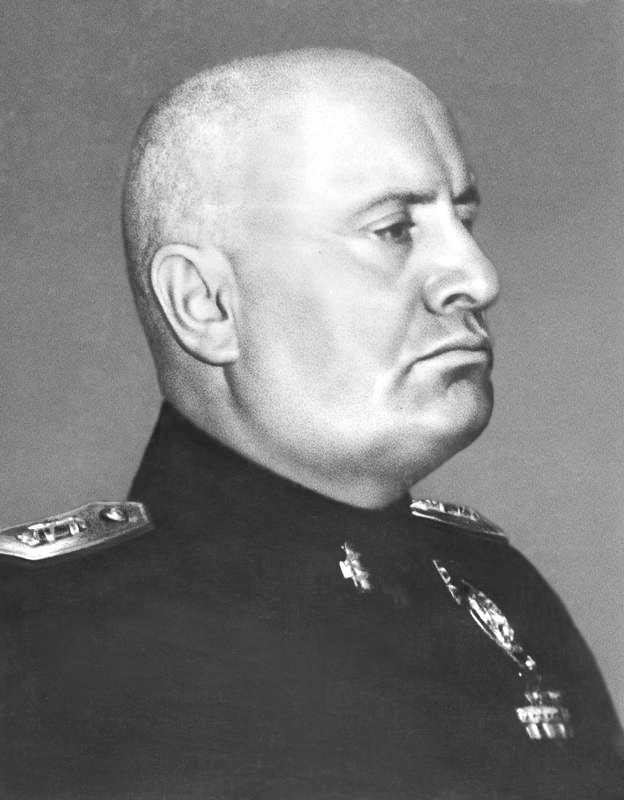
Rise of Fascist leader in Italy's history and political impact on the nation.
Italy
Appointment of the Prime Minister
3 min read
Updated By: History Editorial Network (HEN)
Published:
In 1922, Benito Mussolini was appointed as Prime Minister of Italy by King Victor Emmanuel III. Mussolini, a former socialist, had gained popularity for his nationalist and authoritarian views. The appointment came at a time of political unrest in Italy, with the rise of socialist movements and economic struggles following World War I.
As Prime Minister, Mussolini promised to restore order and strengthen Italy's position on the world stage. He quickly consolidated power, abolishing political freedoms and establishing a dictatorship under the Fascist Party. His leadership style was marked by propaganda, censorship, and suppression of political opposition.
Mussolini's government focused on promoting Italian nationalism, militarism, and building a corporate state. His aggressive foreign policy and expansionist ambitions would later lead Italy to join the Axis powers in World War II.
The appointment of Mussolini as Prime Minister marked the beginning of his twenty-year dictatorship, known as the Fascist regime, which would drastically transform Italian society and politics. His influence would shape Italy's history for years to come.
#BenitoMussolini #ItalianFascism #Authoritarianism #Dictatorship
Primary Reference
March on Rome - Wikipedia
Explore the Life Moments of
 AI Twin