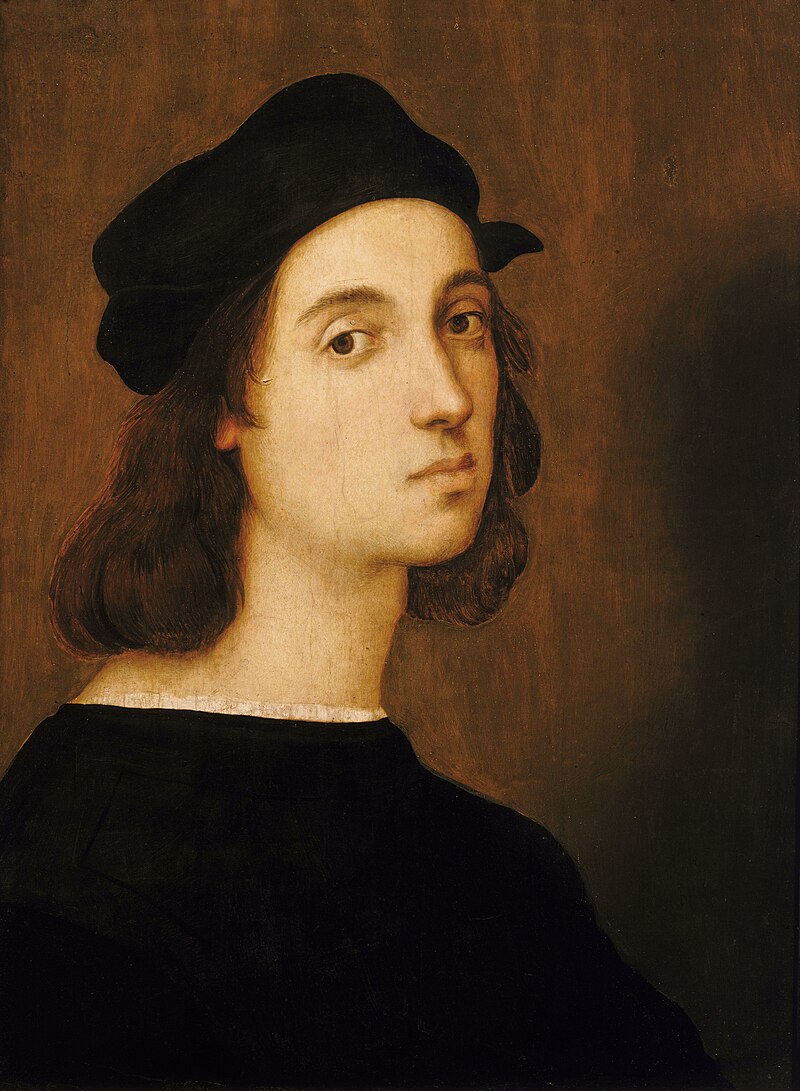
Raphael decorates Vatican Palace with his exceptional artistic talent.
Italy
Art
4 min read
Updated By: History Editorial Network (HEN)
Published:
In the early 16th century, in Italy, Raphael, a renowned artist, undertook the mammoth task of decorating the Vatican Palace. Commissioned by Pope Julius II, Raphael was tasked with adorning the Stanze di Raffaello, a series of papal apartments within the Vatican, with frescoes. Raphael poured his creative genius into the project, drawing inspiration from classical art and incorporating themes of religion, philosophy, and humanism. The walls and ceilings of the rooms were transformed into masterpieces, showcasing Raphael's exceptional skill and innovative techniques. The impact of Raphael's work was profound. Not only did it elevate the artistic standard of the Vatican Palace, but it also solidified Raphael's legacy as one of the greatest artists of the Renaissance. The frescoes served as a visual testament to the power and influence of the papacy, reinforcing the Vatican's status as a center of culture and art. The decoration of the Vatican Palace marked a new chapter in Renaissance art, with Raphael's work becoming a benchmark for artists and scholars for centuries to come. The fusion of classical ideals with religious themes in his frescoes exemplified the spirit of the Renaissance, celebrating human creativity and intellectual pursuits. Raphael's contributions to the Vatican Palace remain a testament to his artistic vision and skill, showcasing the beauty and complexity of his work to visitors and art enthusiasts from around the world. The legacy of his decorations endures as a symbol of the rich cultural heritage of Italy and the enduring legacy of the Renaissance. #Raphael #VaticanPalace #RenaissanceArt #ItalianHistory
Primary Reference
Introduction to Raphael

Explore the Life Moments of
 AI Twin