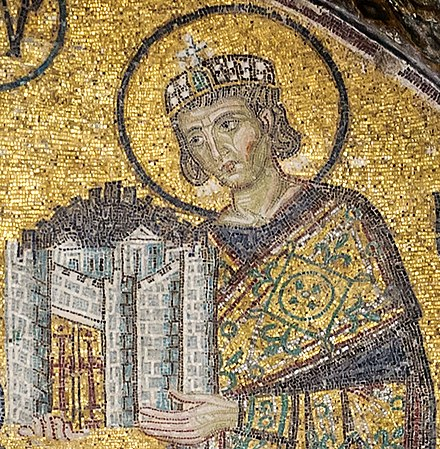
Constantine I shifts Roman capital to Byzantium, later known as Constantinople for Eastern Empire.
Italy

Political
4 min read
Updated By: History Editorial Network (HEN)
Published:
Constantine I, a Roman emperor known for his political and military prowess, made a strategic decision to move the capital of the Roman Empire to Byzantium. This move was aimed at creating a new political center in the eastern part of the empire, closer to the regions that needed more administrative attention and defense. Byzantium, located strategically at the crossroads of Europe and Asia, offered numerous advantages for Constantine's vision of a new capital city. Renamed Constantinople in his honor, the city became a symbol of the emperor's power and ambition. The construction of grand monuments and infrastructure projects reflected the prestige and grandeur of the new capital. The relocation of the capital to Constantinople had a profound impact on the Roman Empire. It shifted the political and economic focus towards the east and strengthened the empire's defenses against external threats. The city's strategic location facilitated trade and communication with the eastern provinces, ensuring better governance and stability in the region. Constantine's decision to move the capital to Constantinople also had long-term consequences for the Roman Empire. The city eventually became a center of culture, trade, and religious influence, playing a crucial role in shaping the future of Europe and the Middle East. The legacy of Constantine's vision can still be seen in the rich history and architecture of modern-day Istanbul, the successor of ancient Constantinople. #ConstantineI #RomanEmpire #Byzantium #Constantinople #PoliticalCenter #StrategicMove #Legacy
Primary Reference
12 Turning Points in Byzantine History – The Byzantium Blogger

Explore the Life Moments of
 AI Twin