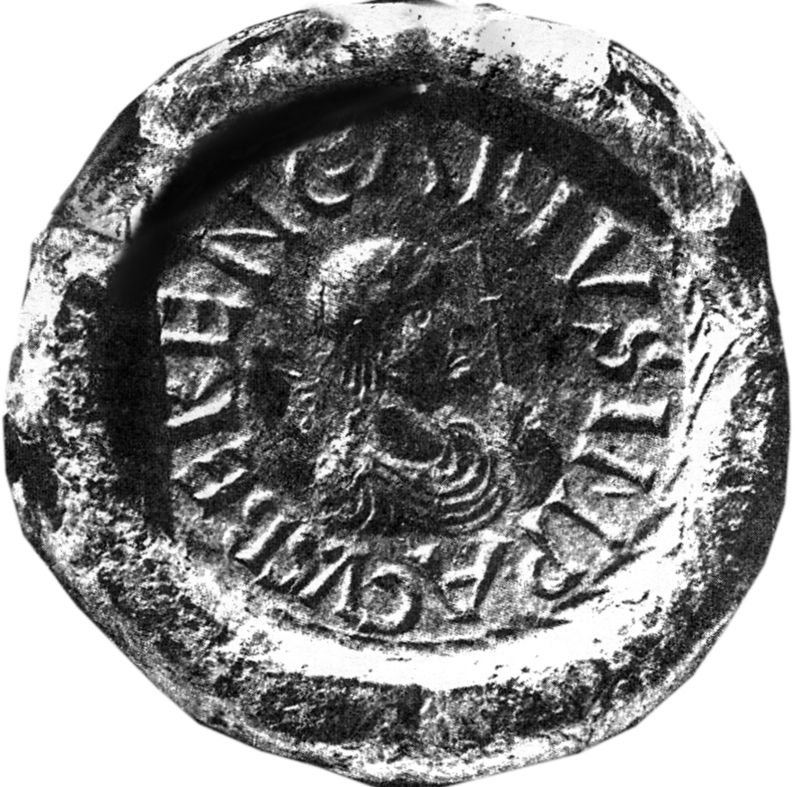
Berengar I proclaims himself King of Italy following Louis III's death in 899.
Italy
Political
Italian
4 min read
Updated By: History Editorial Network (HEN)
Published:
After Louis III, the King of Italy, perished, Berengar I took advantage of the power vacuum in the region to declare himself the new ruler. Berengar I, already holding significant influence in Northern Italy, quickly asserted his authority over the entire kingdom. This move marked the beginning of his reign as the self-proclaimed King of Italy. Berengar I's ascension to the throne sparked unrest and conflict within the kingdom, as many nobles and rival claimants rejected his claim to kingship. Despite facing opposition, Berengar I managed to maintain his control over the kingdom through strategic alliances and military prowess. The self-proclaimed King of Italy, Berengar I, began consolidating his power by establishing strong alliances with neighboring regions and forging diplomatic relationships with other European rulers. His reign was characterized by continuous struggles to solidify his authority and expand his influence across the Italian Peninsula. Berengar I's self-proclamation as King of Italy had long-lasting consequences for the region. The power struggles that ensued during his reign led to a period of political instability and conflict within the kingdom. His rule marked a significant shift in the political landscape of Italy, setting the stage for further territorial disputes and dynastic conflicts in the years to come. In the wake of Berengar I's self-appointment as King of Italy, the region witnessed a period of uncertainty and turmoil. The disputed claims to the throne fueled internal strife and external threats, leading to a tumultuous era in Italian history. #BerengarI #KingofItaly #PoliticalInstability #DynasticConflict #ItalianHistory
Primary Reference
Appleton Royal ancestry - Genealogy.com

Explore the Life Moments of
 AI Twin