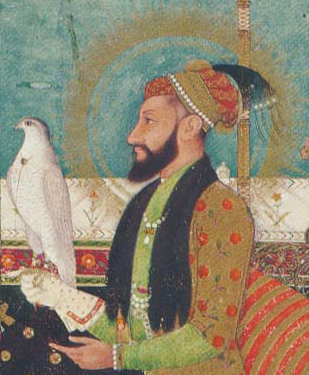
Aurangzeb's Empire Expansion: Mughal Emperor's Reign
Political
4 min read
Updated By: History Editorial Network (HEN)
Published:
Aurangzeb, the sixth Mughal Emperor of India, ascended to the throne after a fierce battle for succession following his father Shah Jahan's illness. He ruled over a vast and diverse empire, stretching from present-day Afghanistan to the Deccan Plateau in southern India. Aurangzeb was known for his strong military prowess and ambitious expansionist policies, which led to the empire reaching its greatest territorial extent under his rule.
During his reign, Aurangzeb implemented strict Islamic policies, which sparked religious tensions and conflict across different regions of the empire. Despite his military victories and territorial conquests, Aurangzeb faced challenges in governing such a vast and culturally varied empire. The financial strain of wars and administrative challenges eventually weakened the empire, leading to its gradual decline after Aurangzeb's death.
Aurangzeb's expansion of the Mughal Empire had a profound impact on the political landscape of the Indian subcontinent. The annexation of new territories brought wealth and resources to the empire, but it also strained its administrative capacity and alienated diverse ethnic and religious groups. The empire's territorial extent under Aurangzeb's rule set the stage for future conflicts and power struggles among regional rulers and foreign invaders.
The legacy of Aurangzeb's reign is complex, with historians offering differing perspectives on his rule. While some view him as a ruthless and intolerant ruler, others see him as a devout leader who strengthened the empire through his military conquests. Regardless of these debates, Aurangzeb's expansion of the Mughal Empire remains a significant chapter in the history of India and the wider South Asian region.
#MughalEmpire #Aurangzeb #Expansion #IndianHistory
Explore the Life Moments of
 AI Twin