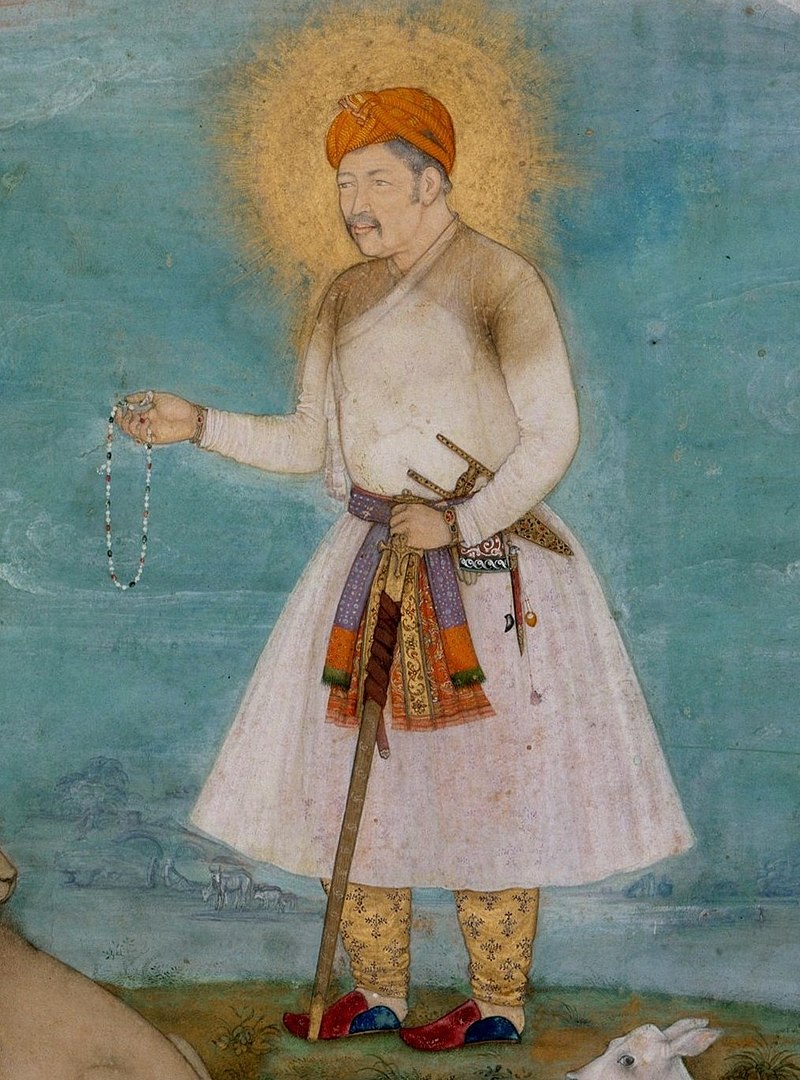
Akbar III: Third Mughal Emperor at 13

Cultural Harmony
4 min read
Updated By: History Editorial Network (HEN)
Published:
In 1556, a pivotal event unfolded in India when Akbar ascended to the throne as the third Mughal Emperor at the mere age of 13. Despite his youth, Akbar showcased early signs of leadership and wisdom that would define his reign. His grandfather, Babur, had established the Mughal Empire in the Indian subcontinent, and his father, Humayun, had reclaimed the throne after years of exile.
Akbar's accession marked a turning point for the Mughal Empire. His reign was characterized by military conquests, cultural achievements, and religious tolerance. He implemented administrative reforms, centralized the government, and fostered a sense of unity among the diverse peoples of his empire. Akbar's policies promoted religious harmony, as he welcomed people of all faiths into his administration and abolished discriminatory taxes on non-Muslims.
Under Akbar's rule, the Mughal Empire flourished. The arts, literature, and architecture thrived, with notable figures like Abu'l-Fazl and Tansen gracing his court. Akbar's patronage of the arts and his promotion of a syncretic cultural ethos left a lasting impact on Indian history.
Akbar's reign expanded the Mughal Empire's territory significantly, as he employed innovative military strategies and diplomacy to consolidate his power. His victories in battles like the Second Battle of Panipat solidified his reputation as a formidable warrior and strategist.
Akbar's legacy as a visionary ruler and administrator endures to this day. His policies laid the foundation for the Mughal Empire's golden age, and his inclusive approach to governance set a precedent for future rulers in India.
#AkbarTheGreat #MughalEmpire #IndianHistory #CulturalHarmony #MilitaryConquests
Explore the Life Moments of
 AI Twin