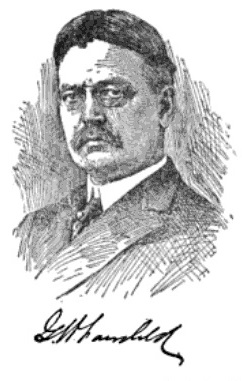
Life and Legacy of George Winthrop Fairchild
Village of Endicott, Town of Union, Broome County, New York, 13760, United States
Biography
4 min read
Updated By: History Editorial Network (HEN)
Published:
Updated:
George Winthrop Fairchild played a crucial role in the early development of IBM, serving as its leader from 1915 to 1949. Under his leadership, the company transitioned from a manufacturer of punch card equipment to a significant player in the burgeoning field of computing. Fairchild's tenure was marked by a focus on innovation and expansion, which laid the groundwork for IBM's future success. He was instrumental in the introduction of key products that would define the company's early offerings, including the development of the IBM 701, one of the first commercial scientific computers. Fairchild's vision for the company emphasized the importance of research and development, which fostered a culture of technological advancement within IBM. His leadership style encouraged collaboration and a commitment to quality, which became hallmarks of the company's operations.
The impact of Fairchild's leadership extended beyond product development; he also played a significant role in shaping IBM's corporate identity and market strategy. His efforts in establishing a strong sales force and customer service framework helped IBM build lasting relationships with clients, which was essential for the company's growth during this period. Fairchild's focus on education and training for employees contributed to a skilled workforce that could adapt to the rapidly changing technological landscape. By the time of his passing, IBM had established itself as a leader in the computing industry, a legacy that Fairchild had a significant hand in creating. His contributions not only influenced the direction of IBM but also set the stage for the company's future innovations and leadership in the technology sector.
#mooflife
#MomentOfLife
#GeorgeWinthropFairchild
#IbmHistory
#Leadership
#TechnologyInnovation
#CorporateLegacy

Explore the Life Moments of
 AI Twin