IBM Exits Facial Recognition Business
Armonk, Town of North Castle, Westchester County, New York, 10504, United States
Technology
Law Enforcement
Corporate Ethics
4 min read
Updated By: History Editorial Network (HEN)
Published:
Updated:
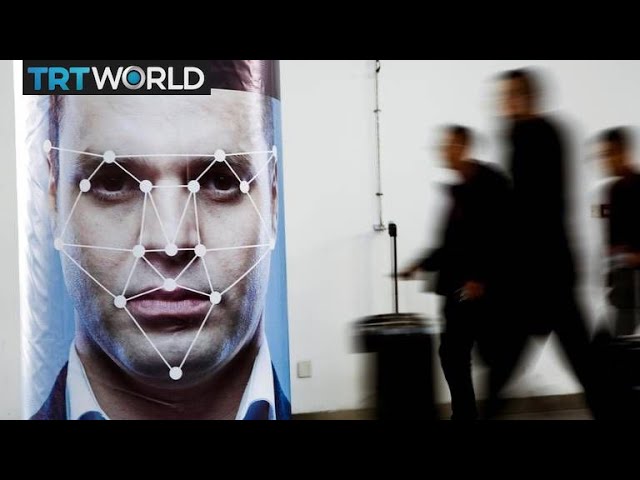
IBM's decision to exit the facial recognition business marked a pivotal shift in the company's approach to technology and ethics. The announcement was made through a letter to Congress by CEO Arvind Krishna, who emphasized the need for a national dialogue regarding the use of facial recognition technology by law enforcement. This move came amid growing concerns over privacy, racial bias, and the potential misuse of surveillance technologies. IBM's withdrawal from this sector was seen as a response to increasing public scrutiny and calls for accountability in the use of such technologies. The company aimed to position itself as a leader in ethical AI practices, advocating for a more responsible approach to technology deployment in sensitive areas like law enforcement.
The impact of IBM's exit from the facial recognition market resonated across the tech industry and among policymakers. It highlighted the ongoing debate about the balance between technological advancement and civil liberties. Many organizations and advocacy groups welcomed IBM's decision, viewing it as a step towards addressing the ethical implications of surveillance technologies. The move also prompted discussions about the need for regulations governing the use of facial recognition, as various stakeholders recognized the potential for abuse and discrimination. As the conversation around AI and ethics continues to evolve, IBM's stance serves as a significant example of how corporations can influence public policy and societal norms regarding technology use.
#mooflife
#MomentOfLife
#Ibm
#FacialRecognition
#AiEthics
#LawEnforcementTechnology
#Surveillance

Explore the Life Moments of
 AI Twin