Uprising Against Habsburg Rule
Hungary

Political
5 min read
Updated By: History Editorial Network (HEN)
Published:
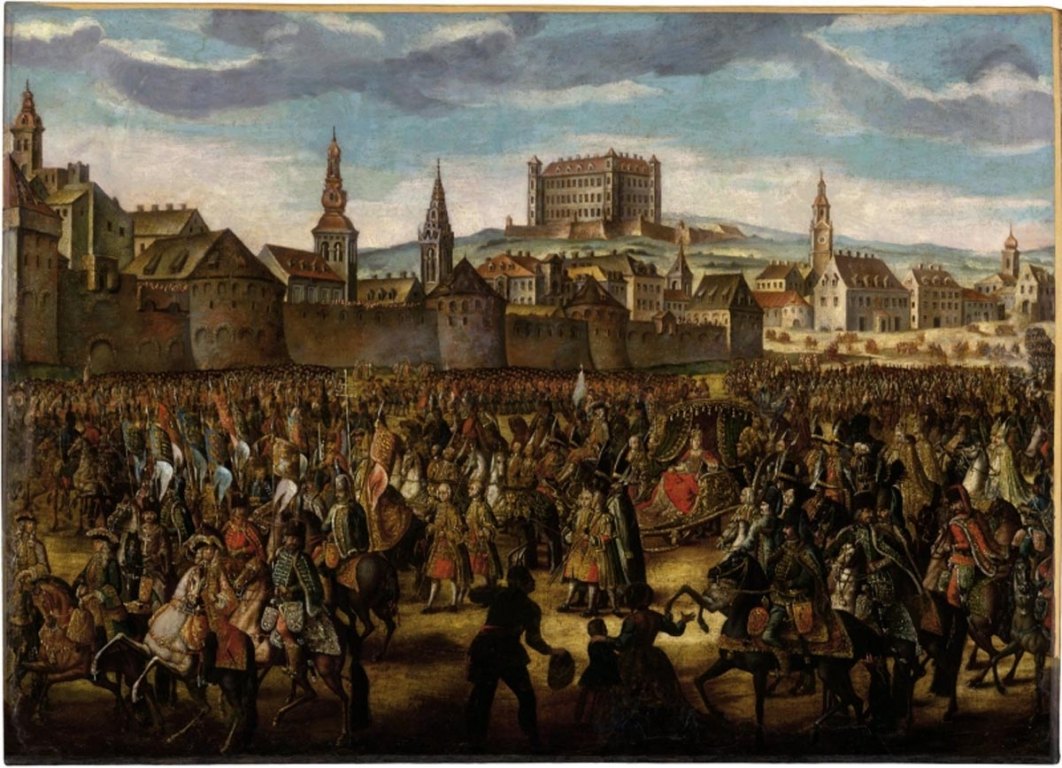
The Hungarian uprising against Habsburg rule marked a pivotal juncture in the quest for national self-determination within the Austrian Empire. The revolt emerged in response to extensive dissatisfaction with Habsburg governance, which had imposed heavy taxes, centralized administrative control, and curtailed Hungarian political and cultural autonomy. The Hungarian nobility, driven by a desire to restore their traditional rights and privileges, played a leading role in the initial phases of the rebellion.
The uprising saw widespread participation from various segments of Hungarian society, including peasants who were burdened by feudal obligations and townspeople resentful of imperial economic policies. The discontent was further fueled by the example of other European nations that were striving for independence and self-rule during the same period. The combined forces mobilized to challenge the Habsburgs' authority, seeking to re-establish Hungary's historic constitution and legislative body, the Diet, with its customary degree of independence.
Key battles and engagements characterized the struggle, as Hungarian forces aimed to reclaim significant strongholds and administrative centers. Despite initial successes and widespread nationalistic fervor, the rebellion faced formidable opposition from well-organized Habsburg military units. The imperial forces, bearing superior resources and military organization, launched decisive counter-offensives to quell the uprising.
The aftermath of the uprising included severe reprisals from the Habsburgs. Many leaders of the insurrection faced execution or long-term imprisonment, and punitive measures were enforced to suppress further dissent. The Habsburg administration reasserted control, though the memory of the uprising continued to inspire future generations of Hungarians in their ongoing struggle for autonomy and national identity.
The broader impact of the uprising extended beyond Hungary’s borders, contributing to a growing movement against imperial domination across Europe. Despite its ultimate failure, the uprising remained a catalyst for political and social change, fostering a spirit of resilience and resistance among Hungarians.
#MoofLife: #HungarianUprising #HabsburgRule #NationalAutonomy #HistoricStruggle #ImperialOppression #HungarianHistory #EuropeanRebellions
Primary Reference
Franz Joseph I of Austria - Wikipedia

Explore the Life Moments of
 AI Twin