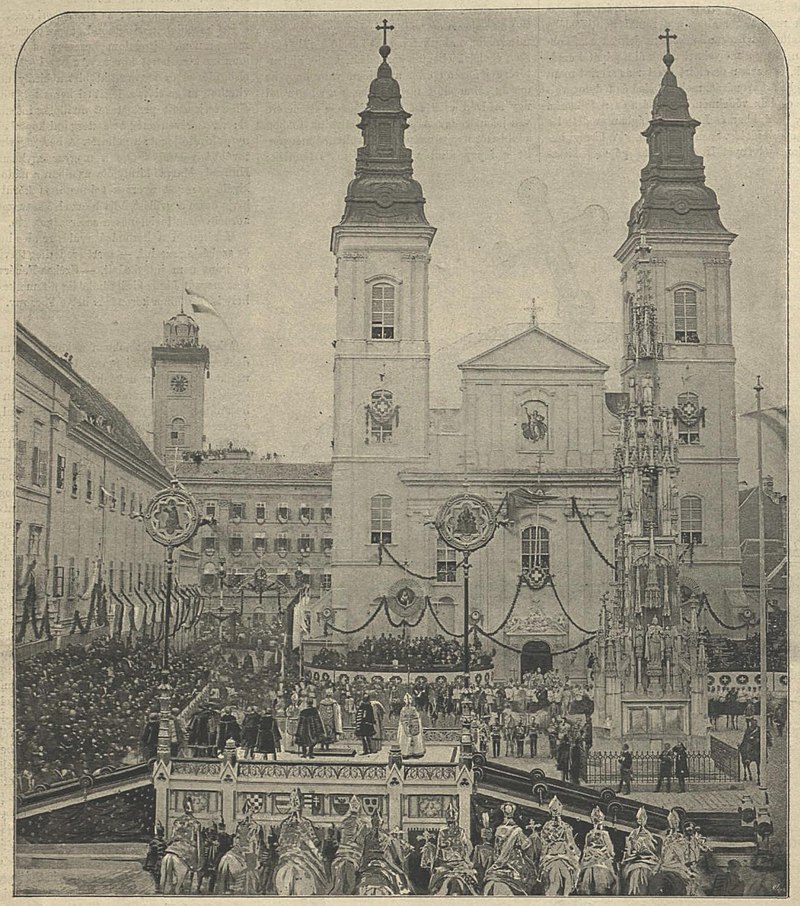
The Austro-Hungarian Compromise: Dual Monarchy and Hungarian Autonomy
Hungary
Political
European
6 min read
Updated By: History Editorial Network (HEN)
Published:
The Austro-Hungarian Compromise, also known as the Ausgleich, marked the establishment of the Dual Monarchy of Austria-Hungary. This political arrangement aimed to address growing internal pressures and nationalist movements within the Habsburg Empire by granting Hungary greater autonomy. The backdrop to this agreement was a period of intense unrest and reform across Europe; the Empire had suffered significant defeats, most notably in the Battle of Königgrätz. This loss highlighted the need for structural reforms to preserve the Habsburg territory.
The Compromise was negotiated between the Austrian Emperor Franz Joseph and Hungarian statesman Ferenc Deák. Austria and Hungary emerged as two distinct entities within a single monarchy, each with its own government, parliament, and administrative structures. However, they were united under a common monarch and shared ministries for foreign affairs, defense, and finance. This dual structure aimed to placate Hungarian demands for self-governance while maintaining the cohesion of the Empire.
The creation of Austria-Hungary resulted in significant political and economic changes. The Hungarian portion gained control over its internal affairs, judiciary, and educational systems. The economic ramifications included the implementation of a customs union and shared currency, which facilitated trade and economic stability within the Dual Monarchy. Austria and Hungary agreed on a complementing economic relationship, boosting both industrial and agricultural sectors.
This agreement also had important demographic and social impacts. The Hungarian Kingdom, comprising half of the population of the Empire, became more integrated and began modernizing rapidly. Budapest, the capital of Hungary, experienced rapid growth and development during this period, becoming a significant political and cultural center.
Politically, the Compromise helped stabilize the Empire in the short term but did not fully resolve the issue of nationalist sentiments among other ethnic groups, such as Czechs, Slovaks, and Croats. These tensions persisted and later contributed to the complexities leading up to World War I.
In summary, the Austro-Hungarian Compromise was a pivotal agreement designed to balance the diverse demands within the Habsburg Empire by creating a dualist state structure. Although it provided a temporary resolution, it set the stage for future conflicts and transformations.
#MoofLife #AustriaHungary #PoliticalReform #EuropeanHistory #HabsburgEmpire #HungarianAutonomy
Primary Reference
Austro-Hungarian Compromise of 1867 - Wikipedia

Explore the Life Moments of
 AI Twin