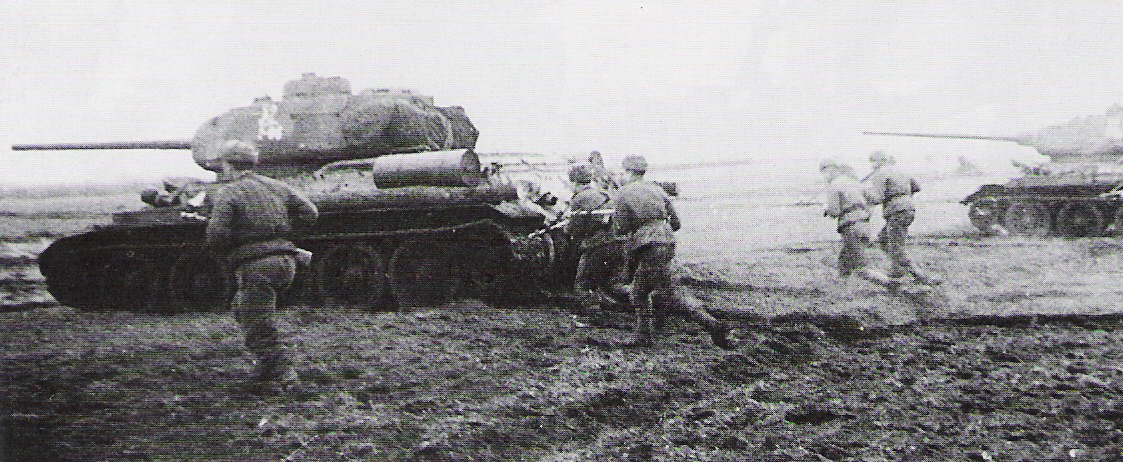
Soviet forces liberate Budapest after fierce battles
Hungary
Global Conflict Event
5 min read
Updated By: History Editorial Network (HEN)
Published:
Updated:
As Soviet forces moved into Budapest, the final push to liberate the city from Nazi control saw fierce resistance and urban combat. This brutal confrontation was part of the extended Eastern Front battles during World War II where the Red Army aimed to liberate Central and Eastern Europe from Axis occupation.
Budapest had been under German occupation, administratively transformed into a key strategic location. It became a focal point of the conflict as both Axis and Soviet troops recognized its tactical importance. The Siege of Budapest began with intense bombardment and clashes that lasted several weeks, causing significant destruction to the city's infrastructure. Historic sites, bridges, and residential areas were heavily damaged or destroyed amidst the comprehensive artillery and ground assaults.
Approximately 80,000 Axis soldiers, including German and Hungarian troops, were encircled by nearly 180,000 Soviet soldiers. The conflict saw both sides sustaining heavy casualties; estimates indicate around 100,000 Soviet soldiers and 38,000 German and Hungarian troops were either killed or wounded. Additionally, nearly 50,000 civilians perished due to combat actions, starvation, and being caught in crossfires. The civilian toll highlighted the brutality of urban warfare and its devastating impact on non-combatants.
The successful capture of Budapest by Soviet forces marked a pivotal shift in the control of Eastern Europe, signaling the weakening grip of Nazi Germany on the region. As Soviet troops secured the city, it marked a significant moment in Hungary's wartime history, leading to the eventual establishment of Soviet influence over its post-war government and political framework. This liberation was a critical step towards ending the war in Europe and shifting the power dynamics within the region.
Following the occupation, reconstruction efforts were arduous, given the extensive damage and the massive displacement of the population. The liberation of Budapest became synonymous with both the end of tyranny and the beginning of Soviet dominance, setting the stage for the transformations that would reshape Eastern Europe in the post-war era. The legacy of this battle is remembered both for its immediate impact and its long-term consequences on Hungary and the broader region.
#MoofLife #BudapestLiberation #SovietForces #WW2History #EasternFront #UrbanWarfare #HungaryHistory
Primary Reference
Siege of Budapest - Wikipedia

Explore the Life Moments of
 AI Twin