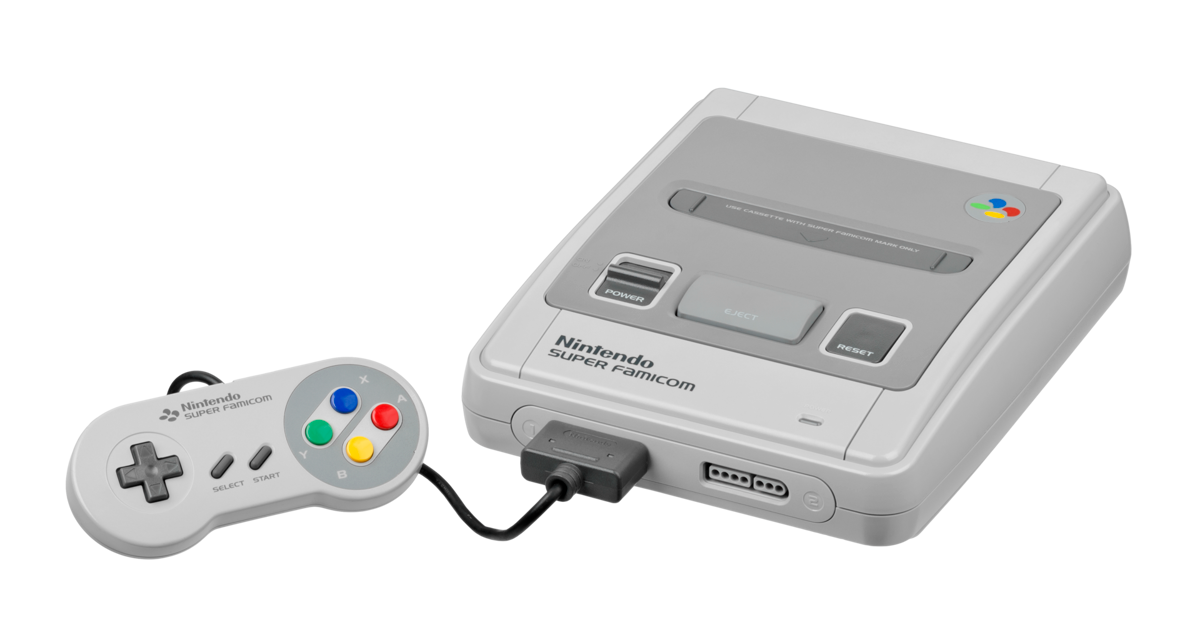
Launch of the Super Famicom in Japan
Japan
Entertainment
Technology
Economy
3 min read
Updated By: History Editorial Network (HEN)
Published:
Nintendo released the Super Famicom in Japan. The 16-bit console succeeded the Family Computer (Famicom) and introduced upgraded graphics and audio capabilities designed for a new generation of home video games.
The Super Famicom launched at a retail price of ¥25,000. Powered by a Ricoh 5A22 processor and featuring enhanced sound hardware developed in collaboration with Sony, the console supported advanced visual effects such as background scaling and rotation, later commonly associated with “Mode 7” graphics. The system used interchangeable ROM cartridges and shipped with two controllers. Its launch titles on 21/11/1990 included Super Mario World and F-Zero, both developed internally by Nintendo.
Demand at launch was strong. Reports from late November 1990 indicated that approximately 300,000 units were made available initially, and the first shipment sold out quickly in many retail locations. By the end of 1990, Nintendo had sold over one million Super Famicom units in Japan. The console would later be released internationally as the Super Nintendo Entertainment System (SNES), debuting in North America in 1991.
Over its commercial lifespan, the Super Famicom/SNES family sold more than 49 million units worldwide. The Japanese launch on 21/11/1990 marked Nintendo’s entry into the 16-bit home console market during a competitive period that included systems such as Sega’s Mega Drive.
#SuperFamicom #Nintendo #VideoGameHistory #1990 #SNES
#SuperFamicom
#Nintendo
#VideoGameHistory
Primary Reference
Super Nintendo Entertainment System

Explore the Life Moments of
 AI Twin