Launch of the Sega Master System in North America
United States
4 min read
Updated By: History Editorial Network (HEN)
Published:
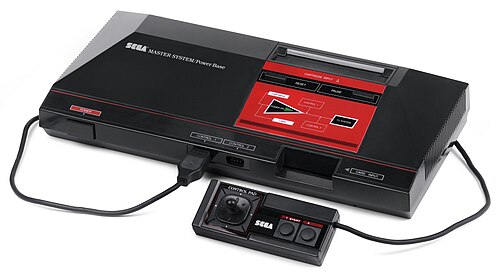
In May 1986, Sega introduced the Sega Master System to the North American market. The 8-bit console was the successor to the SG-1000 and had first been released in Japan in 1985 under the name Sega Mark III before being redesigned and rebranded for international markets.
The North American version featured updated styling and hardware refinements. It used a Zilog Z80-compatible processor and supported cartridge-based games as well as Sega Cards, a thin card-based game format. The system included two rectangular control pads and offered compatibility with accessories such as the Light Phaser light gun and the SegaScope 3D glasses. Early North American titles included Hang-On and Safari Hunt, which were often bundled with the console. The retail price at launch was approximately $199, depending on the package configuration.
Distribution of the Master System in North America was initially handled by Sega, but in 1987 the company transferred distribution rights to Tonka, a toy manufacturer, in an effort to strengthen retail presence. Despite competitive hardware capabilities, the Master System faced strong competition from the Nintendo Entertainment System, which had established a large install base in the United States by the mid-1980s. As a result, North American sales of the Master System were significantly lower than those of its primary competitor, although the console achieved stronger commercial performance in regions such as Europe and Brazil.
The May 1986 North American release marked Sega’s formal entry into direct competition with Nintendo in the U.S. home console market, beginning a rivalry between the two companies that would continue into subsequent console generations.
#Sega #MasterSystem #VideoGameHistory #1986 #RetroGaming
Primary Reference
Master System

Explore the Life Moments of
 AI Twin