An Overview of the Historical Development of the Colonies: Pomeroon, Essequibo, Berbice, and Demerara
Guyana
Colonial Studies
Geography
3 min read
Updated By: History Editorial Network (HEN)
Published:
Updated:
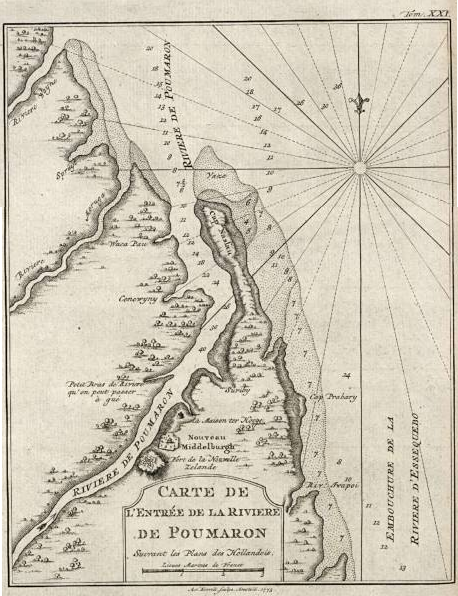
In 1752, the Dutch established the Demerara colony, marking a significant expansion of their settlements in the region of Guyana. This development was part of a broader colonial strategy that began with the establishment of Pomeroon in 1581, followed by Essequibo in 1616, and Berbice in 1627. The establishment of Demerara was crucial in solidifying European influence in the area, which was rich in resources and strategically located along the coast of South America. The Dutch colonies played a pivotal role in the economic activities of the time, particularly in sugar production, which became a lucrative industry. However, the Dutch control over these territories was challenged, and in 1796, the British seized control of Demerara, along with Essequibo and Berbice, during the Napoleonic Wars. This transition marked the beginning of British dominance in the region, which was formalized with the signing of the London Convention in 1814, ceding these territories to Britain. By 1831, the colonies of Demerara-Essequibo and Berbice were united to form a single British colony known as British Guiana, further solidifying British colonial interests in South America.
#Mooflife #MomentOfLife #DemeraraColony #DutchColonization #BritishGuiana #GuyanaHistory #ColonialInfluence

Explore the Life Moments of
 AI Twin