Chandragupta II and the Inscriptions of the Golden Age
India
Leadership
Indian Emperors
3 min read
Updated By: History Editorial Network (HEN)
Published:
Updated:
Chandragupta II, also known as Vikramaditya, was a prominent ruler of the Gupta Empire, succeeding his father, Samudragupta. His reign is noted for the substantial expansion of the empire, which reached its zenith during this period. Chandragupta II's strategic marriages, including one to a Kadamba princess of Kuntala, played a crucial role in strengthening political alliances. His lineage, being of Naga descent, further enhanced his status and influence.
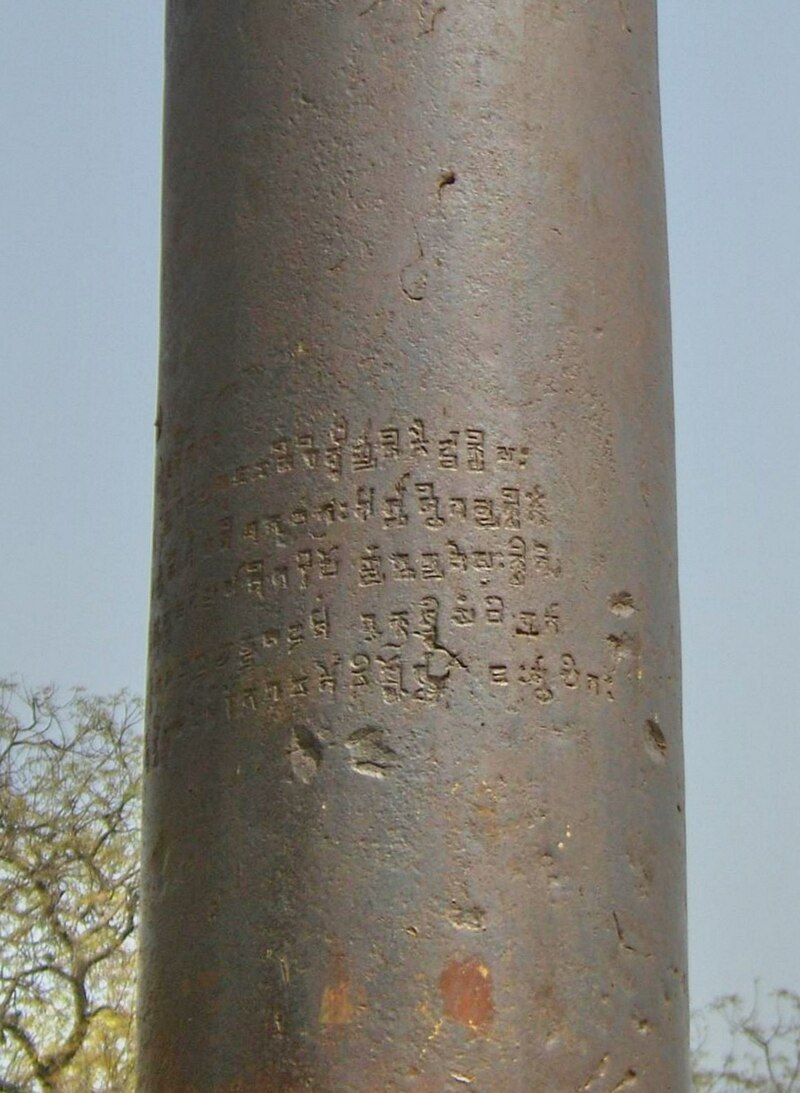
Chandragupta II is known from several important inscriptions that highlight his reign and achievements. One of the most notable is the Mehrauli Iron Pillar Inscription in Delhi, which credits a king—widely believed to be Chandragupta II—with military victories, including defeating enemies in the Bengal region. The inscription reflects his strength and valor, as well as the advanced metallurgical skills of the time. Other inscriptions, such as the Udayagiri Cave inscriptions, are linked to religious and cultural patronage under his rule. These records provide evidence of his support for Hinduism, especially Vaishnavism, and his role in promoting art, architecture, and Sanskrit culture during the Gupta Golden Age.
#mooflife
#MomentOfLife
#ChandraguptaIi
#Vikramaditya
#GuptaEmpire
#IndianHistory
#GoldenAgeOfIndia

Explore the Life Moments of
 AI Twin