Chandragupta II and the Flourishing Gupta Empire
India
Historical Figures
Cultural Contributions
Ancient Indian History
3 min read
Updated By: History Editorial Network (HEN)
Published:
Updated:
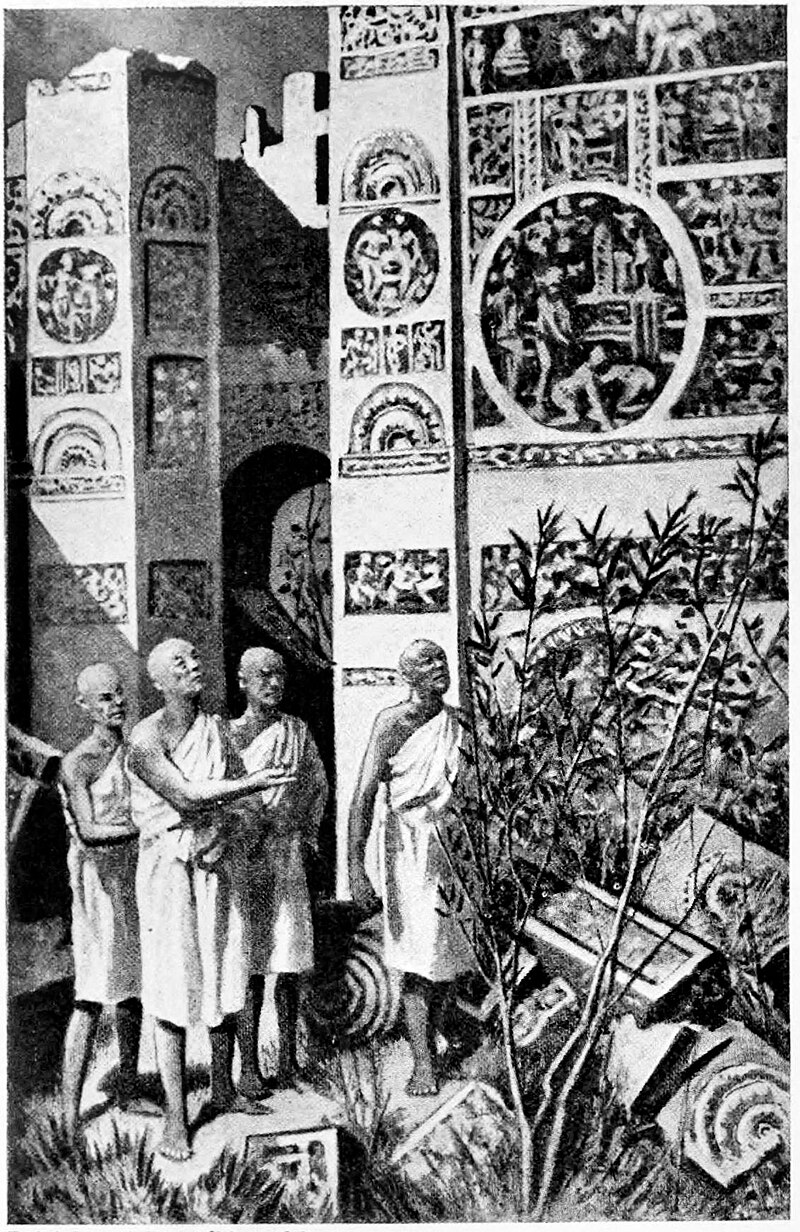
Chandragupta II's reign is noted for its substantial contributions to various fields, including art, literature, culture, and science. His rule is often associated with the Gupta period, which is recognized as a golden age in Indian history. This era saw the emergence of significant advancements in Hindu art, which later influenced artistic expressions in East and Southeast Asia. The court of Chandragupta II attracted numerous scholars and artists, fostering an environment conducive to intellectual and cultural growth. Notably, the Chinese scholar Faxian documented his travels in India during this period, providing valuable insights into the societal and cultural dynamics of the time. The flourishing of literature and the arts during Chandragupta II's reign laid the groundwork for future generations, establishing a legacy that would resonate throughout Indian history. The advancements in science and mathematics, including the development of the concept of zero and significant contributions to astronomy, were also pivotal during this time. The prosperity experienced under his rule contributed to the stability and expansion of the Gupta Empire, making it a formidable power in the region. The end of his reign marked a transition, but the cultural and intellectual achievements of this period continued to influence subsequent generations.
#mooflife
#MomentOfLife
#ChandraguptaIi
#GuptaEmpire
#IndianHistory
#HinduArt
#CulturalFlourishing

Explore the Life Moments of
 AI Twin