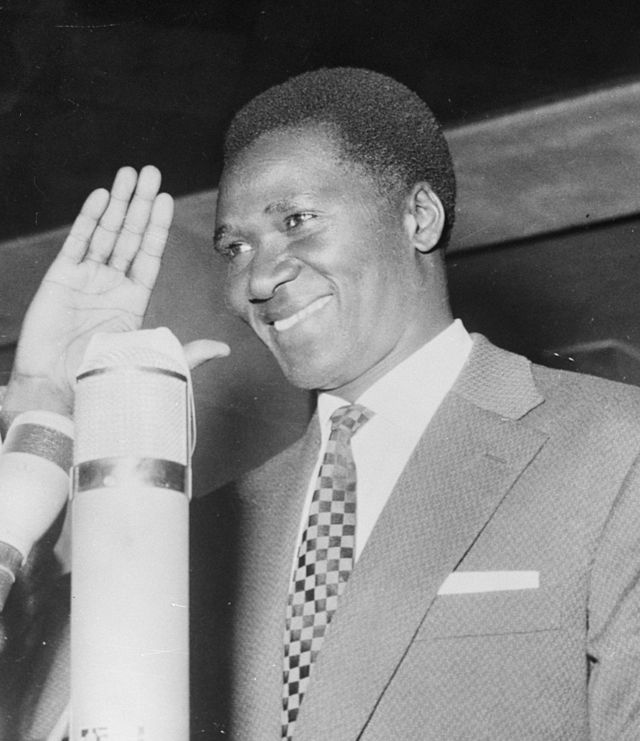
Sekou Toure cuts ties with France amid alleged coup plot accusations.
Guinea
Political
Global Trade
5 min read
Updated By: History Editorial Network (HEN)
Published:
In the mid-1960s, Guinea's President, Ahmed Sekou Toure, severed diplomatic relations with France, accusing the former colonial power of conspiring to topple his government. This incident was rooted in the fraught relationship between Guinea and France following Guinea’s decision to vote ‘No’ in the 1958 referendum proposed by Charles de Gaulle. This referendum was meant to determine whether African colonies would join the French Community or seek immediate independence. Guinea’s choice led to immediate independence, but also to France withdrawing financial aid and other essential resources.
Toure’s accusations against France stemmed from his distrust of continued French influence in the region. He claimed that France was actively plotting to destabilize his regime. The allegations included assertions that France supported opposition groups and conducted subversive activities intended to weaken his government. This move to break off relations came as a significant blow, further isolating Guinea from Western support.
In response, Guinea looked towards the Soviet Union and other Eastern Bloc countries, forging alliances to secure economic and military aid. This realignment shifted Guinea’s geopolitical stance and deepened the Cold War’s ideological divide in Africa. The break with France also underscored the broader post-colonial struggles faced by African nations striving for sovereignty while managing external influences.
Reports from this period indicated that Guinea’s economic situation was precarious due to the loss of French support, with impacts on industries, infrastructure, and trade. Conversely, international responses varied, with some African countries expressing solidarity with Guinea’s stance against neo-colonial tactics, while others were more cautious, balancing their own relationships with colonial powers.
The long-term impact saw Guinea entrenched in a pattern of autocratic rule under Toure, who used the perceived threat of French plots to justify repressive measures against political opponents. This incident exemplified the complexities of post-colonial governance and the persistent influence of former colonial powers in African politics.
#GuineaIndependence #ColdWarAfrica #ColonialLegacy #SekouToure #FrancoGuineanRelations #MoofLife
Primary Reference
Guinea profile - Timeline - BBC News
Explore the Life Moments of
 AI Twin