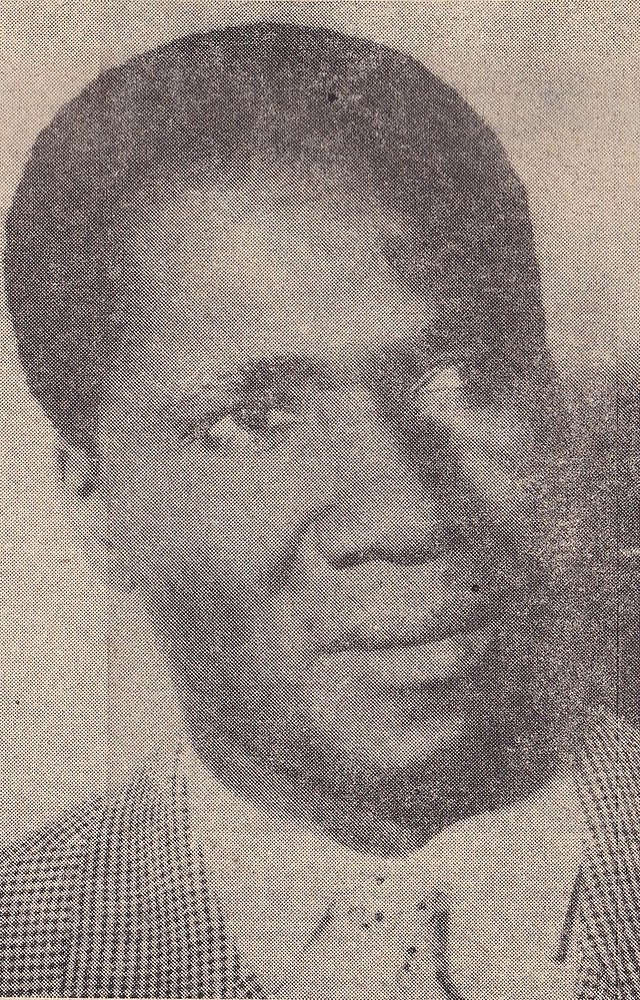
Independence Achieved: Ahmed Sekou Toure Leads Guinea
Guinea
Political
AfricanLiberation
6 min read
Updated By: History Editorial Network (HEN)
Published:
In the backdrop of the decolonization wave sweeping across Africa, Guinea emerged as a beacon of self-determination when it declared its independence under the leadership of Ahmed Sekou Toure. This decision came after a pivotal referendum where the Guinean people overwhelmingly voted to reject continued association with France in favor of full sovereignty. The result was a bold stance, challenging the colonial powers and inspiring other African nations in their quests for independence.
Ahmed Sekou Toure, a prominent trade union leader and advocate for African unity and socialism, became the first president of the newly independent Guinea. His leadership marked the beginning of a significant transformation as the country sought to navigate its newfound autonomy. The immediate aftermath of the declaration saw the withdrawal of French financial and administrative support, which created substantial challenges for the nascent government.
The period following independence was characterized by efforts to establish a stable and sustainable political and economic system. Under Toure's administration, the government nationalized key industries and attempted to reduce reliance on foreign aid, fostering a sense of nationalism and self-reliance. The new administration also faced significant obstacles, such as building infrastructure, addressing public health issues, and strengthening educational systems. The country’s path was fraught with trials, but the spirit of independence spurred initiatives aimed at achieving self-sustenance and governance reflective of local cultural contexts.
Internationally, Guinea's independence was a pivotal event within the larger context of African liberation. It underscored the growing rejection of colonial rule and the desire for African nations to control their destinies. Other colonial territories took inspiration from Guinea's bold move, accelerating their efforts towards self-governance. Guinea’s newfound status also catalyzed discussions on the post-colonial African identity and the continent’s socio-political future.
The declaration of independence and the leadership of Ahmed Sekou Toure set Guinea on a path that would influence both its national landscape and its role within the broader African identity and politics. The long-term impacts of these initial steps towards self-rule continue to be a subject of analysis and discussion among historians and political scientists.
#Independence #AhmedSekouToure #Guinea #AfricanLiberation #Decolonization #MoofLife
Primary Reference
Guinea: 1958-present | ICNC
Explore the Life Moments of
 AI Twin