Founding of the African Party for the Independence of Guinea and Cape Verde (PAIGC)
Guinea Bissau

Political Movements
African Independence
3 min read
Updated By: History Editorial Network (HEN)
Published:
Updated:
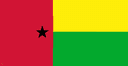
On September 19, 1956, the African Party for the Independence of Guinea and Cape Verde (PAIGC) was founded in Bissau, the capital of Portuguese Guinea (now Guinea-Bissau). The party was established by Amílcar Cabral, along with a group of like-minded nationalists, with the goal of achieving independence from Portuguese colonial rule.
Initially, PAIGC focused on peaceful political activism, mobilizing workers and spreading nationalist ideas. However, as Portuguese repression intensified, the party shifted to armed resistance. By 1963, PAIGC launched a full-scale guerrilla war, becoming one of the most effective liberation movements in Africa. With strong support from the Soviet Union, China, and neighboring African nations, PAIGC gained control over large parts of Guinea-Bissau.
Despite the assassination of Amílcar Cabral in 1973, the party declared Guinea-Bissau’s independence later that year, and full recognition came in 1974 after Portugal’s Carnation Revolution. Cape Verde followed with its independence in 1975, though it later separated from Guinea-Bissau politically.
PAIGC remains a dominant political force in Guinea-Bissau, shaping the nation’s post-independence history despite ongoing political instability.
#MomentsOfLife #MoofLife #PAIGC #GuineaBissau #CapeVerde #AmilcarCabral #Independence
Explore the Life Moments of
 AI Twin