First Multi-Party Elections
Guinea Bissau
Politics
Democracy
3 min read
Updated By: History Editorial Network (HEN)
Published:
Updated:
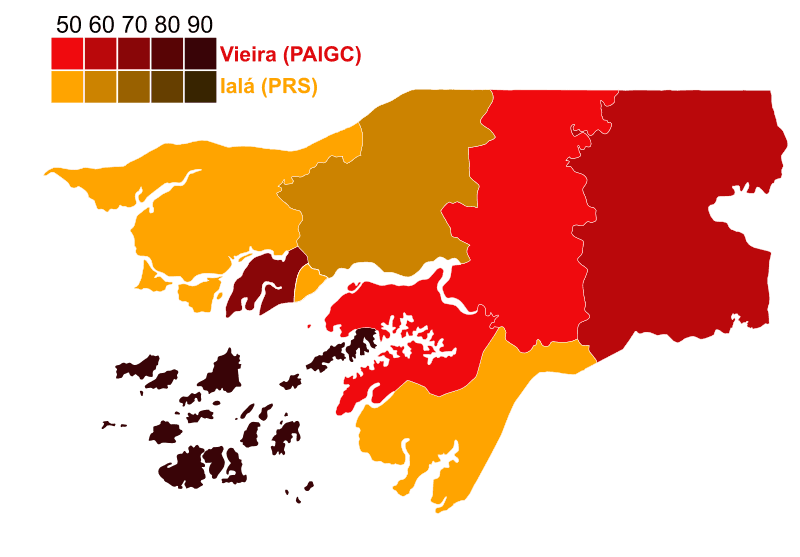
Guinea-Bissau, a West African nation, experienced significant political changes in the late 20th century. After being under the control of a military council until 1984, the country transitioned to a multi-party system, culminating in its first multi-party elections in 1994. This pivotal moment marked a shift towards democratic governance, allowing various political parties to participate in the electoral process. However, the political landscape remained tumultuous. In May 1998, an army uprising triggered the Guinea-Bissau Civil War, which led to the ousting of the sitting president in June 1999. The civil conflict highlighted the fragility of the newly established democratic institutions. Following the turmoil, elections were held again in 2000, resulting in the election of Kumba Ialá as president. His presidency represented a new chapter in Guinea-Bissau's ongoing struggle for stability and democratic governance, as the nation sought to recover from the impacts of civil strife and military influence in politics. #mooflife #mof #MomentOfLife #Guinea-bissau #Multi-partyElections #CivilWar #KumbaIalá #PoliticalHistory
Explore the Life Moments of
 AI Twin