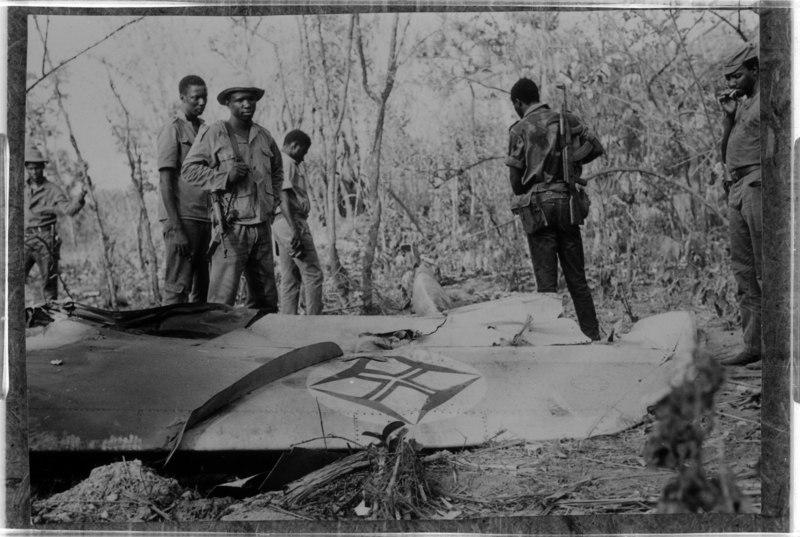
Begining of the War of Independence
Guinea Bissau

War
5 min read
Updated By: History Editorial Network (HEN)
Published:
On January 23, 1963, the Guinea-Bissau War of Independence officially began when the African Party for the Independence of Guinea and Cape Verde (PAIGC) launched an armed struggle against Portuguese colonial rule. Led by Amílcar Cabral, PAIGC had spent years organizing and building support among rural communities, preparing for an extended guerrilla war against Portugal.
Unlike other African liberation movements, PAIGC focused on rural warfare, gaining control over vast regions outside the capital Bissau. Using hit-and-run tactics, ambushes, and sabotage, the guerrilla fighters targeted Portuguese military bases, infrastructure, and supply lines. PAIGC established liberated zones where they set up schools, healthcare services, and local governance, winning the trust of the population.
With support from the Soviet Union, Cuba, China, and neighboring African nations, PAIGC fighters became well-equipped with modern weapons, challenging Portugal’s ability to maintain control. The Portuguese responded with brutal counterinsurgency tactics, including the use of napalm, forced relocations, and political assassinations.
On January 20, 1973, Amílcar Cabral was assassinated in Conakry, Guinea, by dissidents within PAIGC, reportedly backed by Portuguese agents. Despite the loss of its leader, PAIGC pushed forward and on September 24, 1973, declared the independence of Guinea-Bissau in the liberated territories. The war continued, but PAIGC now controlled more than two-thirds of the country.The war officially ended in April 1974 following the Carnation Revolution in Portugal, a military coup that overthrew the Portuguese dictatorship. The new Portuguese government, facing multiple colonial wars in Africa, agreed to grant independence to Guinea-Bissau on September 10, 1974.
The Guinea-Bissau War of Independence was one of the most successful anti-colonial struggles in Africa. PAIGC’s model of rural mobilization and governance became a key example of effective resistance. However, post-independence political instability, military coups, and economic struggles have continued to shape the nation’s history.
#MomentsOfLife #MoofLife #GuineaBissau #PAIGC #AmilcarCabral #Independence #ColonialHistory

Explore the Life Moments of
 AI Twin