Treaty of Paris: Grenada's British Acquisition & Impact on Colonial History
Grenada
Political
Global Trade
4 min read
Updated By: History Editorial Network (HEN)
Published:
Updated:
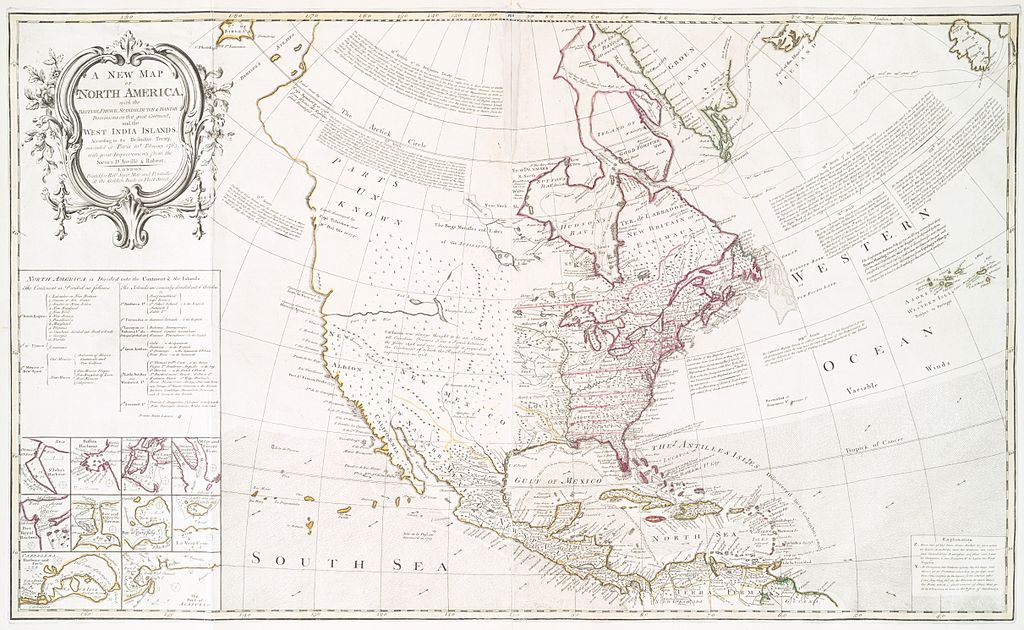
The Treaty of Paris formally ceded Grenada to Britain. This event marked an important turning point in the colonial history of the region. Prior to this transfer, Grenada had been under French control. The island was part of the territorial negotiations that concluded the Seven Years' War, which was a global conflict involving major European powers.
The British acquisition of Grenada had considerable implications for its administration and economy. The British implemented new governance structures and policies that influenced the island's development. One of the immediate consequences was the reorganization of Grenada's plantation economy. This included the introduction of different agricultural practices and the expansion of sugar and other cash crop production, which were deemed profitable.
Statistics indicate an increase in the number of plantations and the importation of enslaved Africans to work on them. This shift significantly impacted the demographic and social structure of Grenada. It also tied the island more closely to the transatlantic trade networks, establishing it as a critical node in the British colonial economy. The legal frameworks and property laws of Grenada were realigned with British colonial standards, affecting local landownership patterns.
This cession also played a role in the geopolitical strategies of Britain. It strengthened British presence and influence in the Caribbean, contributing to the building of an expansive empire. The treaty not only ceded Grenada but also involved the redistribution of numerous other territories among European powers, altering the map of colonial holdings globally.
#MoofLife #GrenadaHistory #ColonialExchange #TreatyOfParis #BritishEmpire #CaribbeanColonies

Explore the Life Moments of
 AI Twin