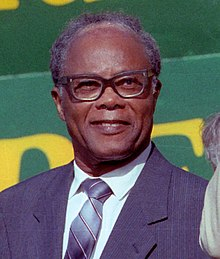
Grenada's First Democratic Elections Mark New Era of Stability and Progress
Grenada
Political
Global Trade
4 min read
Updated By: History Editorial Network (HEN)
Published:
Updated:
After nearly a decade of political turmoil, the island nation of Grenada held its first democratic elections since 1976. This moment came about after a period marked by governmental instability, which included a coup by the New Jewel Movement, followed by a brief but tumultuous socialist government led by Maurice Bishop. Bishop’s government was later overthrown by a faction within his own party, leading to his assassination and a subsequent U.S.-led invasion to restore order and democratic governance.
Herbert Blaize, leading the Grenada National Party (GNP), emerged victorious in these long-awaited elections. Blaize, a veteran politician, previously served as Grenada’s head of government from 1960-1961 and 1962-1967. Under his leadership, the GNP secured a decisive win, capturing 14 out of the 15 constituencies. This victory symbolized not only the return of democracy but also the citizens' desire for stability and economic progress.
The elections had a high voter turnout, demonstrating the public’s engagement and hope for a better future after years of unrest. The international community closely monitored the elections, and the peaceful conduct underscored the success of efforts to restore democratic institutions in Grenada. The support from regional and international partners played a crucial role in establishing the necessary conditions for these elections.
Blaize's administration faced the immediate task of rebuilding the nation's infrastructure, economy, and international relationships. Beyond the immediate challenges, the elections marked a critical step towards reinforcing democratic values and governance structures in Grenada.
#MoofLife #GrenadaElections #DemocracyReturns #HerbertBlaize #GNPWin

Explore the Life Moments of
 AI Twin