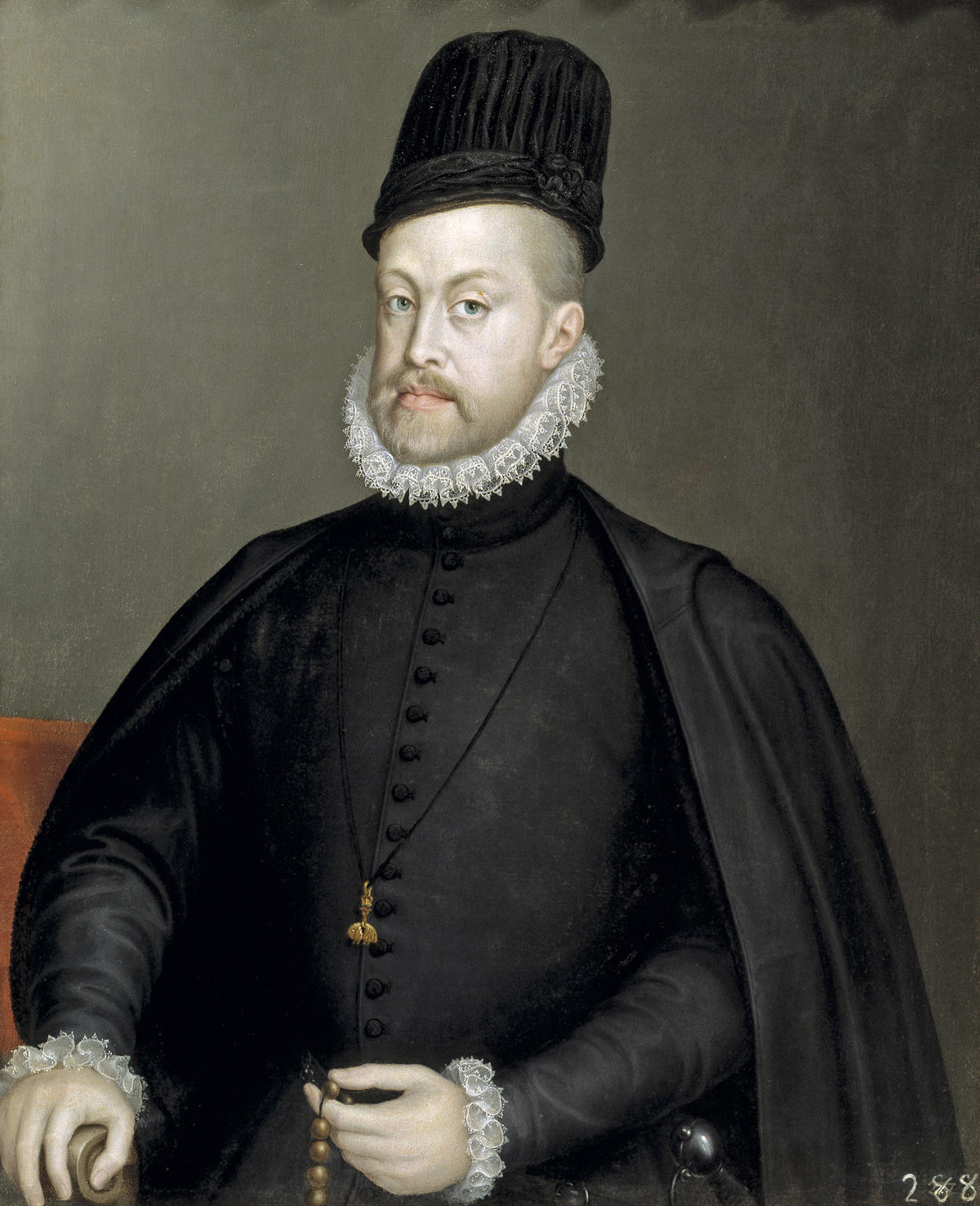
Philip II of Spain Adopts Gregorian Calendar: Aligning Easter and Correcting Date Drift
Rome
Political
4 min read
Updated By: History Editorial Network (HEN)
Published:
Updated:
Philip II of Spain decreed the adoption of the Gregorian calendar to reform the Julian calendar, which had been used widely in Europe but had accumulated an error of about ten days due to inaccuracies in calculating the length of the solar year. This decision aligned with the calendar reform initiated by Pope Gregory XIII to bring back the alignment of the calendar with the equinoxes and correct the date drift affecting ecclesiastical events like Easter.
The decree involved dropping ten days from the calendar, making the day following October 4 become October 15. This adjustment intended to synchronize the date for the celebration of Easter, consistent with the Council of Nicea's provisions. The transition aimed to enhance agricultural planning, legal activities, and date-related events by aligning civil activities more closely with seasonal changes.
The adoption had significant implications for Spain and its territories. Other European nations, reflecting their respective degrees of Papal authority influence and political, cultural contexts, gradually transitioned to the new system. Some regions adopted the Gregorian calendar immediately, while Protestant and Orthodox countries delayed adoption due to religious and political resistance, eventually converting within centuries.
Statistics show that the Gregorian calendar more accurately reflected the tropical year than the Julian calendar, maintaining a deviation of just 26 seconds annually. This move significantly affected businesses, governance, and daily life, laying the groundwork for the standardized global calendar system used today.
Philip II's decision marked a pivotal step in history, showcasing the interplay between science, religion, and governance.
#MoofLife #CalendarReform #Gregorian #History #Ecclesiastical

Explore the Life Moments of
 AI Twin