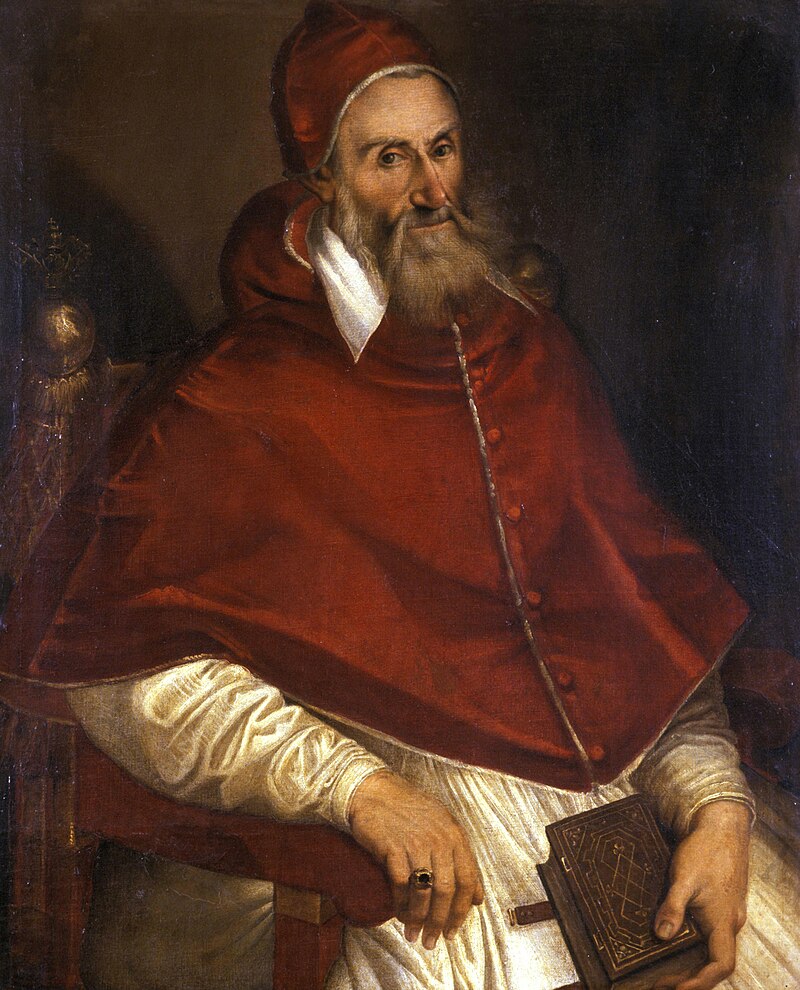
Italian sculptor immortalizes Pope Gregory XIII's calendar reform with St. Peter's Basilica tomb sculpture.
Rome
Art
4 min read
Updated By: History Editorial Network (HEN)
Published:
Updated:
Camillo Rusconi, a prominent Italian sculptor, completed the tomb sculpture of Pope Gregory XIII in St. Peter's Basilica. Gregory XIII is best known for his role in reforming the calendar, leading to the creation of the Gregorian calendar, which replaced the Julian calendar. The necessity of this reform stemmed from inaccuracies in the Julian calendar that had accumulated over centuries, affecting the timing of ecclesiastical events, particularly Easter.
Pope Gregory XIII commissioned the calendar reform in 1582. The Gregorian calendar was implemented in Catholic countries first, with other nations gradually adopting it over the next centuries. This reform was critical for its accurate alignment of the civil year with the solar year, significantly improving upon the historical calculation of time.
Camillo Rusconi's tomb sculpture in St. Peter's Basilica serves as a lasting tribute to Gregory XIII's influence and contributions. The artwork accurately represents Pope Gregory XIII and includes allegorical figures that symbolize his achievements, particularly the calendar reform. The completion of the sculpture marked a significant cultural milestone, honoring Gregory XIII's efforts in a tangible form and solidifying his legacy within the church and broader historical context.
The impact of this moment lives on, as the Gregorian calendar is the one primarily in use worldwide today. Rusconi's work is not just a piece of art but a historical marker celebrating a pivotal achievement in the accurate, systematic measurement of time.
#MoofLife #PopeGregoryXIII #CamilloRusconi #GregorianCalendar #StPetersBasilica #SculptureCompletion #HistoricalLegacy #ArtAndHistory

Explore the Life Moments of
 AI Twin