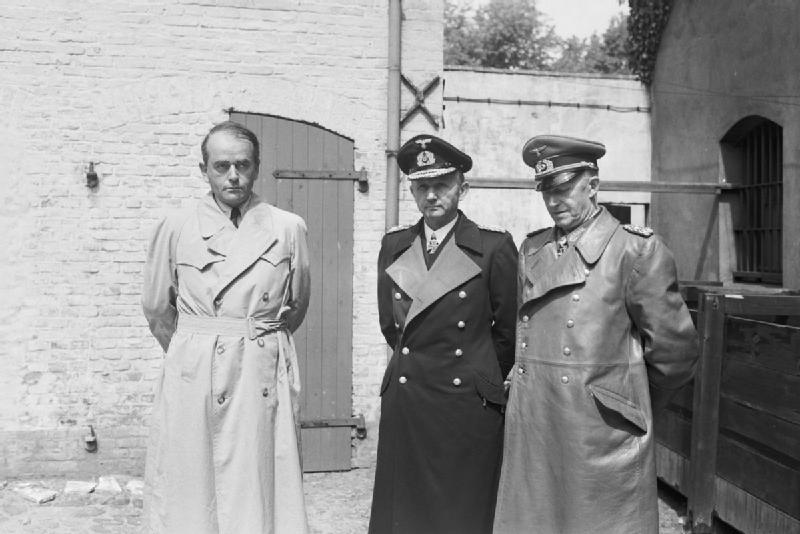
The Aftermath of the Third Reich: Albert Speer's Reflections on Escape and Responsibility
World War II
Biography
3 min read
Updated By: History Editorial Network (HEN)
Published:
Updated:
In 1945, as World War II drew to a close, the collapse of the Third Reich marked a significant turning point in history. Among the key figures of the Nazi regime was Albert Speer, who served as Minister of Armaments and War Production. In the chaotic aftermath of Germany's defeat, Speer contemplated fleeing to Greenland in a small aeroplane to evade capture. This decision was influenced by the strategic importance of Greenland during the war, where American troops had previously destroyed German weather stations.
However, after careful consideration, Speer ultimately chose to surrender to the United States Armed Forces instead of pursuing an escape. His decision to surrender was a pivotal moment, as it reflected the broader reality faced by many Nazi officials in the wake of the war's end. Speer's subsequent trial at Nuremberg would further highlight the accountability of those who played significant roles in the Nazi regime, shaping post-war justice and international law. Speer's life and choices during this tumultuous period continue to be a subject of study, illustrating the complexities of moral decision-making in times of conflict.
#Mooflife #MomentOfLife #WorldWarIi #AlbertSpeer #ThirdReich #Greenland #NurembergTrials

Explore the Life Moments of
 AI Twin