The Historical Impact of the United States' Occupation of Greenland Until 1945
International Relations
Geopolitics
3 min read
Updated By: History Editorial Network (HEN)
Published:
Updated:
In the aftermath of World War II, the geopolitical landscape shifted significantly, prompting the United States to reassess its strategic interests in the Arctic region. One notable event occurred in 1946 when the U.S. government made a bold proposal to purchase Greenland from Denmark for $100 million. This offer was rooted in the U.S.'s desire to secure a foothold in the North Atlantic, which was seen as crucial for national security and military strategy during the early stages of the Cold War.
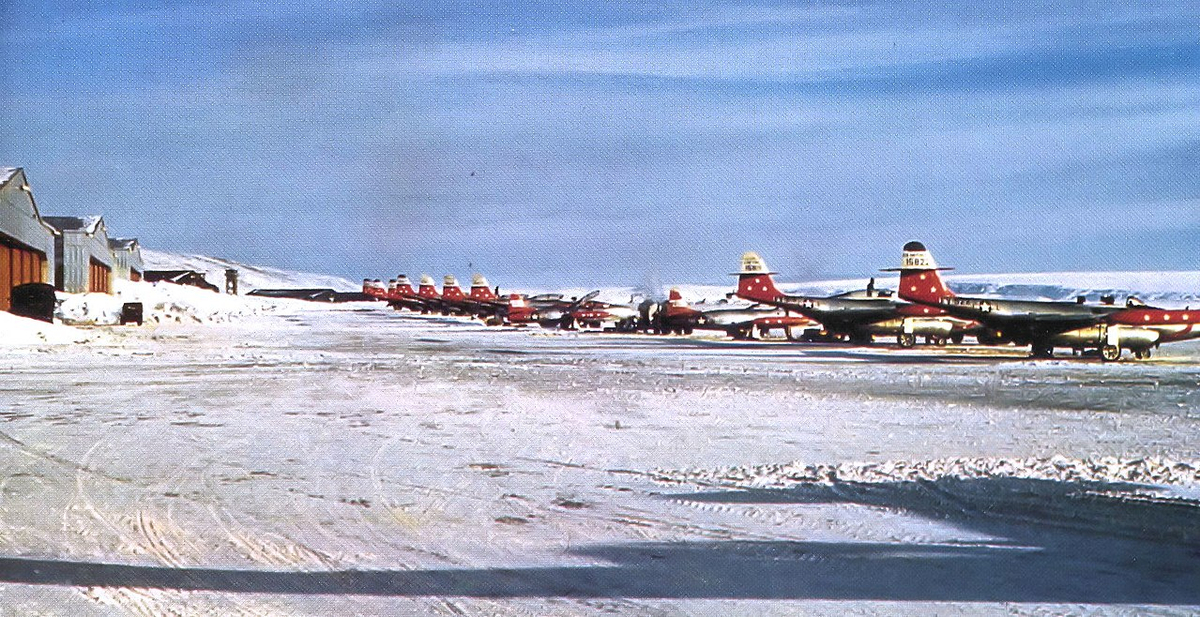
However, the Danish government ultimately rejected the offer, valuing Greenland's strategic importance and cultural ties over the financial incentive. Despite this setback, the U.S. continued to foster its military presence in the region, and in 1950, Denmark permitted the United States to regain control of Thule Air Base, further solidifying the U.S. military's operational capabilities in the Arctic. This historical episode highlights the complex interplay of international relations, national security, and territorial sovereignty in the post-war era, as well as the enduring significance of Greenland in global geopolitics.
#Mooflife #MomentOfLife #Greenland #UnitedStates #Denmark #Geopolitics #ColdWar

Explore the Life Moments of
 AI Twin