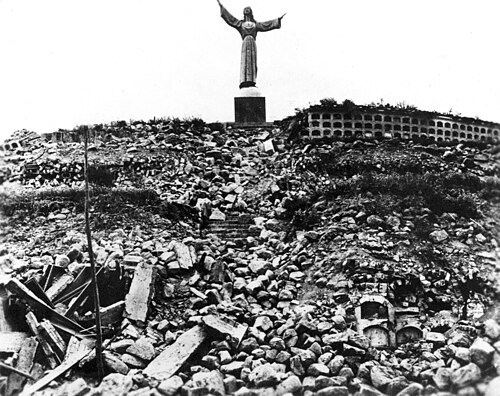
The Peru Earthquake 1970
Natural Disasters
Seismology
Geophysical Studies
4 min read
Updated By: History Editorial Network (HEN)
Published:
Updated:
The Peru earthquake, which occurred in the early 1970s, had a profound impact on the region, leading to extensive research and analysis. A special study published in the Bulletin of the Atomic Scientists highlighted the earthquake's effects, providing critical insights into the geological and social ramifications of the disaster. The earthquake was notable for its intensity and the resulting destruction, which affected numerous communities and infrastructure. The study emphasized the importance of understanding seismic activity in the region, as Peru is situated along the Pacific Ring of Fire, an area known for its high seismicity. This geographical positioning makes the country particularly vulnerable to earthquakes, necessitating ongoing research and preparedness efforts to mitigate future risks.
The aftermath of the earthquake prompted significant changes in disaster response and urban planning in Peru. The study revealed that the earthquake not only caused immediate physical damage but also had long-term social and economic consequences. Many communities faced challenges in recovery, with infrastructure needing extensive repairs and rebuilding. The research underscored the need for improved building codes and emergency response strategies to enhance resilience against future seismic events. Additionally, the findings contributed to a broader understanding of earthquake preparedness, influencing policies and practices in other earthquake-prone regions. The insights gained from this special study continue to inform current approaches to disaster management and urban development in seismic zones.
#mooflife
#MomentOfLife
#PeruEarthquake
#SeismicActivity
#DisasterResponse
#UrbanPlanning
#GeologicalResearch

Explore the Life Moments of
 AI Twin