Krakatoa Eruption Impact on Indonesia
Natural Disasters
Volcanology
3 min read
Updated By: History Editorial Network (HEN)
Published:
Updated:
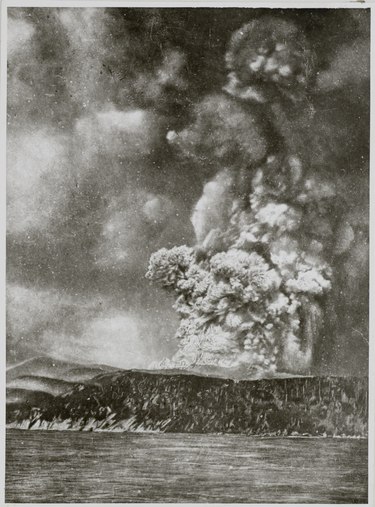
The eruption of Krakatoa was a catastrophic volcanic event that occurred in Indonesia, leading to widespread devastation and loss of life. The explosion was so powerful that it was heard thousands of miles away, indicating the magnitude of the eruption. The event triggered massive tsunamis that struck the surrounding coastal areas, resulting in a death toll estimated at over 36,000 people. The impact of the eruption extended beyond immediate fatalities; it caused significant destruction to local infrastructure and ecosystems. The tsunamis destroyed entire villages and altered the geography of the region, leading to long-term consequences for the affected communities.
In addition to the immediate physical destruction, the Krakatoa eruption had global climatic effects. The explosion released vast amounts of ash and sulfur dioxide into the atmosphere, which led to a noticeable drop in temperatures worldwide. This phenomenon contributed to what is known as the "Year Without a Summer," where agricultural production was severely affected in various parts of the world. The eruption also sparked scientific interest in volcanology and climate science, as researchers sought to understand the relationship between volcanic activity and climate change. The Krakatoa eruption remains one of the most studied volcanic events in history, highlighting its profound impact on both local populations and global climate patterns.
#mooflife
#MomentOfLife
#Krakatoa
#Indonesia
#VolcanicEruption
#Tsunamis
#ClimateImpact

Explore the Life Moments of
 AI Twin