Impact of the 1928 Okeechobee Hurricane
Natural Disasters
Hurricanes
2 min read
Updated By: History Editorial Network (HEN)
Published:
Updated:
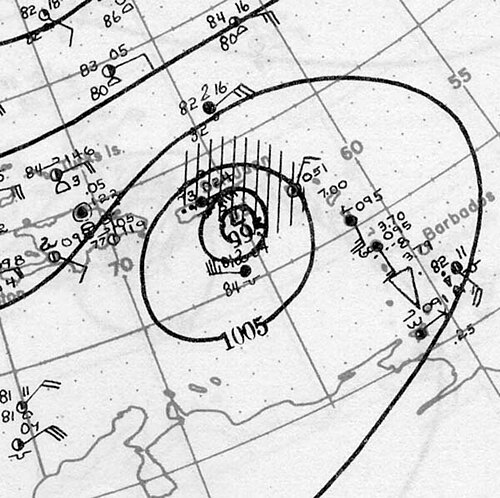
The 1928 Okeechobee hurricane was a powerful tropical cyclone that had a profound impact on the United States and surrounding regions, including Puerto Rico, Guadeloupe, and the Bahamas. This hurricane is noted for its intensity and the extensive damage it caused, particularly in Florida. The storm made landfall near Lake Okeechobee, leading to catastrophic flooding and destruction in the surrounding areas. The hurricane resulted in over 4,112 confirmed fatalities, making it one of the deadliest hurricanes in U.S. history. The flooding was exacerbated by the failure of the dike surrounding Lake Okeechobee, which was unable to contain the storm surge, leading to widespread inundation of nearby communities. The aftermath of the hurricane prompted significant changes in disaster preparedness and response strategies in the region, highlighting the need for improved infrastructure and emergency management protocols to mitigate the effects of such natural disasters in the future.
#mooflife
#MomentOfLife
#OkeechobeeHurricane
#1928Hurricane
#TropicalCyclone
#HurricaneImpact
#DisasterManagement

Explore the Life Moments of
 AI Twin