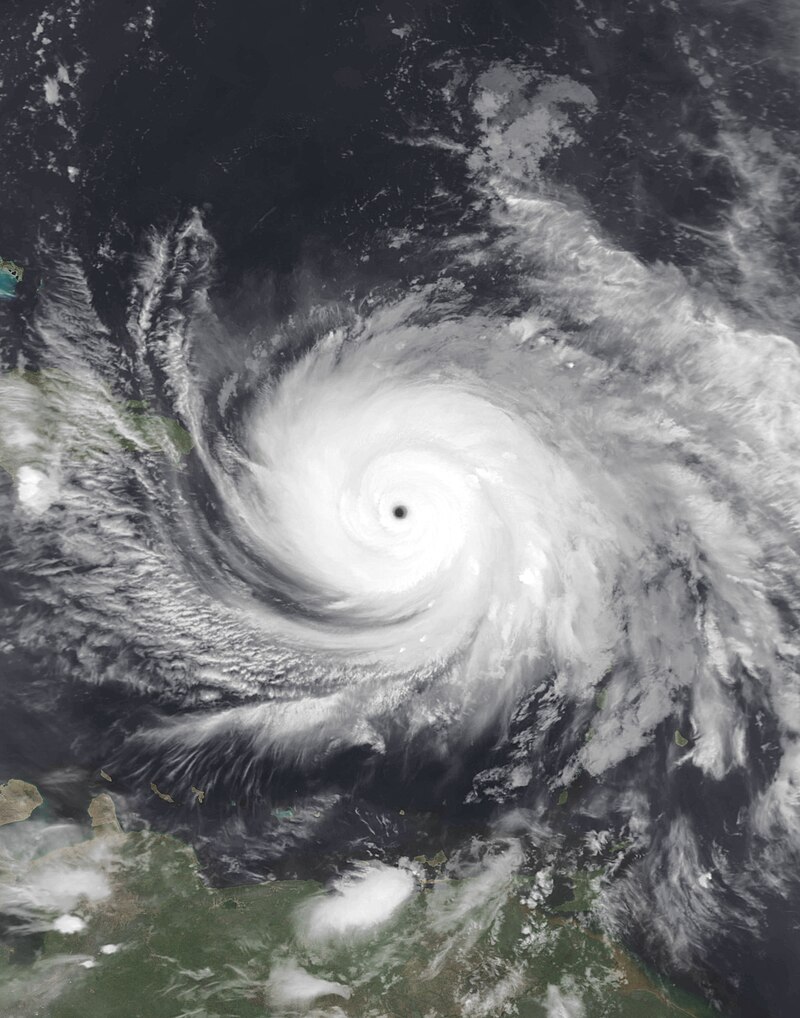
Hurricane Maria on Puerto Rico
Natural Disasters
Hurricanes
Climate Events
3 min read
Updated By: History Editorial Network (HEN)
Published:
Updated:
Hurricane Maria was a powerful tropical cyclone that caused extensive damage in Puerto Rico and Dominica. The storm made landfall in Puerto Rico, leading to catastrophic impacts on the island's infrastructure, economy, and public health. The hurricane resulted in a death toll that reached thousands, with many more suffering from injuries and long-term health issues. The storm's winds and heavy rainfall caused widespread flooding, landslides, and destruction of homes, schools, and hospitals. The aftermath of the hurricane left many residents without access to clean water, electricity, and essential services, exacerbating the humanitarian crisis on the island. The economic impact was profound, with estimates indicating billions of dollars in damages, significantly affecting Puerto Rico's already struggling economy. Recovery efforts were hampered by the scale of the destruction and the challenges of coordinating aid in the wake of such a disaster. The event highlighted the vulnerabilities of the island's infrastructure and the need for improved disaster preparedness and response strategies. The long-term effects of Hurricane Maria continue to be felt, as many communities work to rebuild and recover from the devastation. The storm also sparked discussions about climate change and its role in increasing the intensity and frequency of hurricanes, raising awareness about the need for sustainable practices and policies to mitigate future risks.
#mooflife
#MomentOfLife
#HurricaneMaria
#PuertoRico
#NaturalDisaster
#ClimateChange
#DisasterRecovery

Explore the Life Moments of
 AI Twin