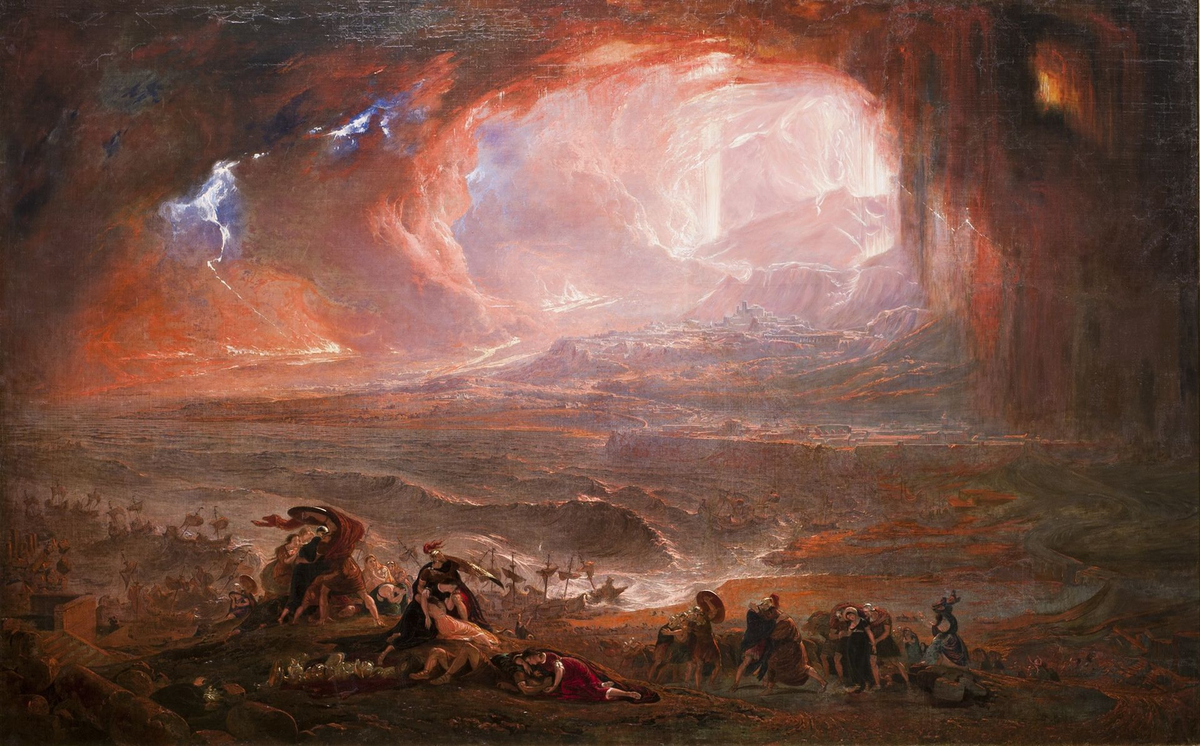
Eruption of Mount Vesuvius in 79 AD
Volcanology
Archaeology
2 min read
Updated By: History Editorial Network (HEN)
Published:
Updated:
The eruption of Mount Vesuvius in 79 AD is a pivotal event in the study of volcanology and ancient history. This catastrophic eruption is known for its devastating impact on the nearby Roman cities of Pompeii and Herculaneum. The eruption released a cloud of stones, ashes, and fumes to a height of 33 kilometers, which then spread over a wide area. The cities were buried under a thick layer of volcanic ash and pumice, preserving them in a state that provides invaluable insights into Roman life. Archaeological excavations have revealed well-preserved buildings, artifacts, and even human remains, offering a glimpse into the daily lives of the inhabitants before the disaster struck. The death toll from this eruption is estimated to be around 13,000, although some estimates suggest that the number could be much higher, as many residents were unable to escape the sudden onslaught of volcanic material.
#mooflife
#MomentOfLife
#MountVesuvius
#Pompeii
#Herculaneum
#VolcanicEruption
#AncientHistory

Explore the Life Moments of
 AI Twin