Antioch Earthquake Impact on Byzantine Empire
Natural Disasters
Byzantine Empire
3 min read
Updated By: History Editorial Network (HEN)
Published:
Updated:
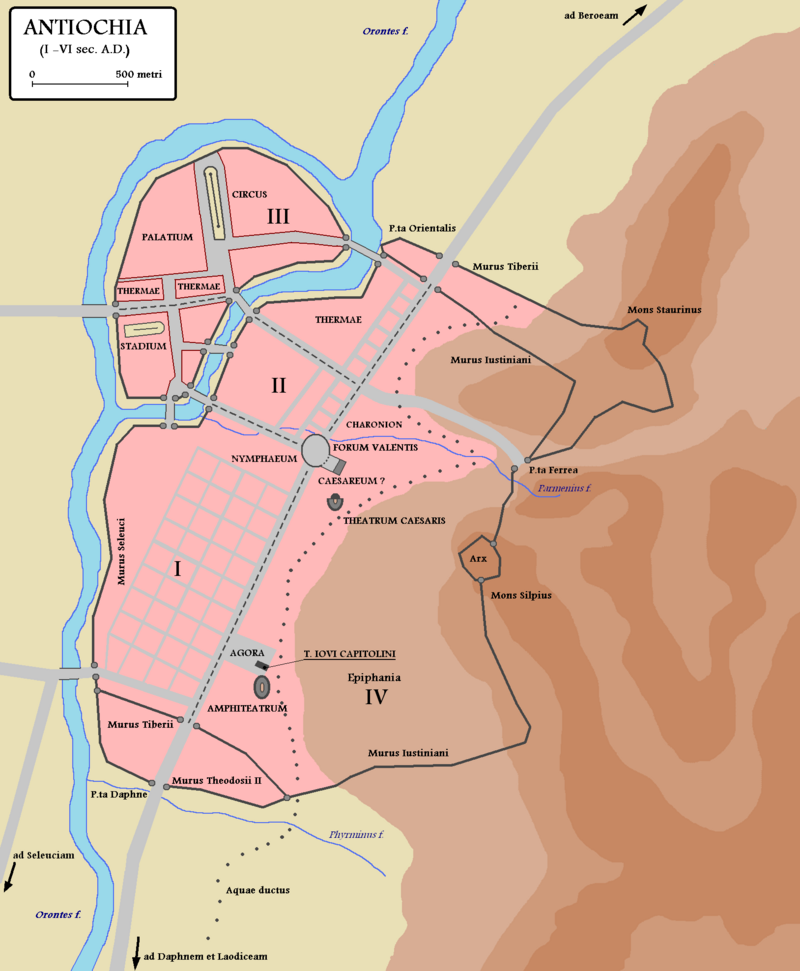
The Antioch earthquake had a profound impact on the Byzantine Empire, particularly affecting the city of Antioch, which is located in present-day Turkey. This seismic event resulted in an estimated death toll ranging from 250,000 to 300,000 individuals, marking it as one of the deadliest earthquakes in history. The destruction was extensive, with significant damage to infrastructure, including buildings, roads, and public facilities. The earthquake not only caused immediate loss of life but also led to long-term economic challenges for the region. The aftermath saw a decline in trade and commerce, as the city struggled to recover from the devastation. The Byzantine Empire, already facing various internal and external pressures, found its resources stretched thin as it attempted to provide aid and rebuild the affected areas. This disaster highlighted the vulnerabilities of urban centers in the empire and prompted discussions on urban planning and disaster preparedness in the years that followed. Furthermore, the earthquake had social implications, as communities were displaced and the population dynamics of the region shifted due to the loss of life and migration in search of safety and stability. The event served as a reminder of the natural disasters that could disrupt the empire's stability and the need for resilience in the face of such challenges.
#mooflife
#MomentOfLife
#AntiochEarthquake
#ByzantineEmpire
#NaturalDisasters
#HistoricalImpact
#UrbanResilience

Explore the Life Moments of
 AI Twin