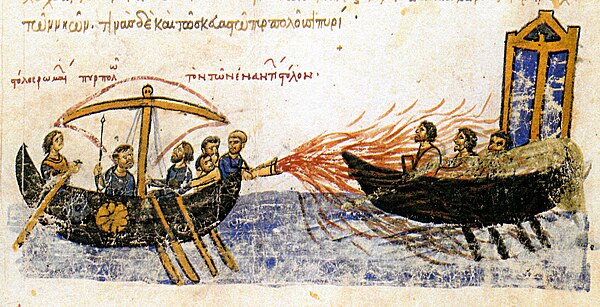
Arab conquest of Tbilisi in conflict between Arab and Byzantine empires due to war.
Georgia
Geopolitical
3 min read
Updated By: History Editorial Network (HEN)
Published:
The Arab-Byzantine conflict over dominance in the Caucasus region led to the pivotal event of Arab occupation of Tbilisi. Tbilisi, a strategic Byzantine stronghold, fell under Arab control after years of territorial disputes. The Arabs, led by general Marwan ibn Muhammad, successfully besieged and captured the city after a fierce battle, marking a turning point in the region's power dynamics.
The occupation of Tbilisi had significant repercussions for Georgia. It brought about profound cultural, political, and economic changes, as the Arab presence influenced various aspects of Georgian society. The Arab occupation also led to the introduction of Islam to the region, impacting religious demographics and shaping future developments in the faith.
Additionally, the Arab occupation of Tbilisi highlighted the geopolitical tensions in the broader Arab-Byzantine conflict. It underscored the fierce competition between the Arab Caliphate and the Byzantine Empire for control over strategic territories, including key cities like Tbilisi.
Ultimately, the Arab occupation of Tbilisi stands as a crucial event in Georgia's history, signaling a period of foreign rule and cultural exchange. It left a lasting impact on the region's development and relationships with neighboring powers.
#ArabByzantineConflict #TbilisiOccupation #GeopoliticalTensions #CulturalExchange
Primary Reference
The polities of the Caucasus and the regional powers in the ...

Explore the Life Moments of
 AI Twin