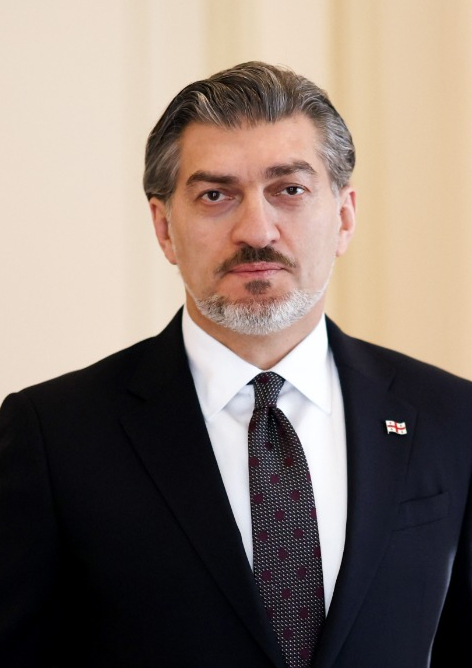
Mikheil Kavelashvili elected president by electoral college in controversial indirect vote
Georgia
4 min read
Updated By: History Editorial Network (HEN)
Published:
Mikheil Kavelashvili has been elected president through an indirect vote conducted by an electoral college, a process that has generated significant controversy within the country. The election followed constitutional procedures that assign the selection of the president to a body composed mainly of lawmakers and regional representatives, rather than through a direct public vote. Supporters of the process argue that it complies with existing legal frameworks and reflects parliamentary authority. However, critics contend that the indirect system limits democratic participation and reduces public trust, particularly amid an already polarized political environment. The circumstances surrounding Kavelashvili’s election intensified debate over transparency, legitimacy, and the balance of power within the state.
The election holds wider political and social significance as it highlights ongoing tensions over democratic governance and institutional reform. Opposition parties and civil society groups have raised concerns about the fairness of the process and the broader implications for political pluralism and accountability. International observers have also closely followed developments, emphasizing the importance of inclusive and credible democratic practices. As president, Kavelashvili’s role is largely ceremonial, yet the manner of his election carries symbolic weight for the country’s democratic trajectory. Overall, the controversial indirect vote underscores persistent challenges in building public confidence, managing political divisions, and ensuring democratic legitimacy within the national political system.
Primary Reference
Georgia's turmoil deepens as ex-footballer named president

Explore the Life Moments of
 AI Twin