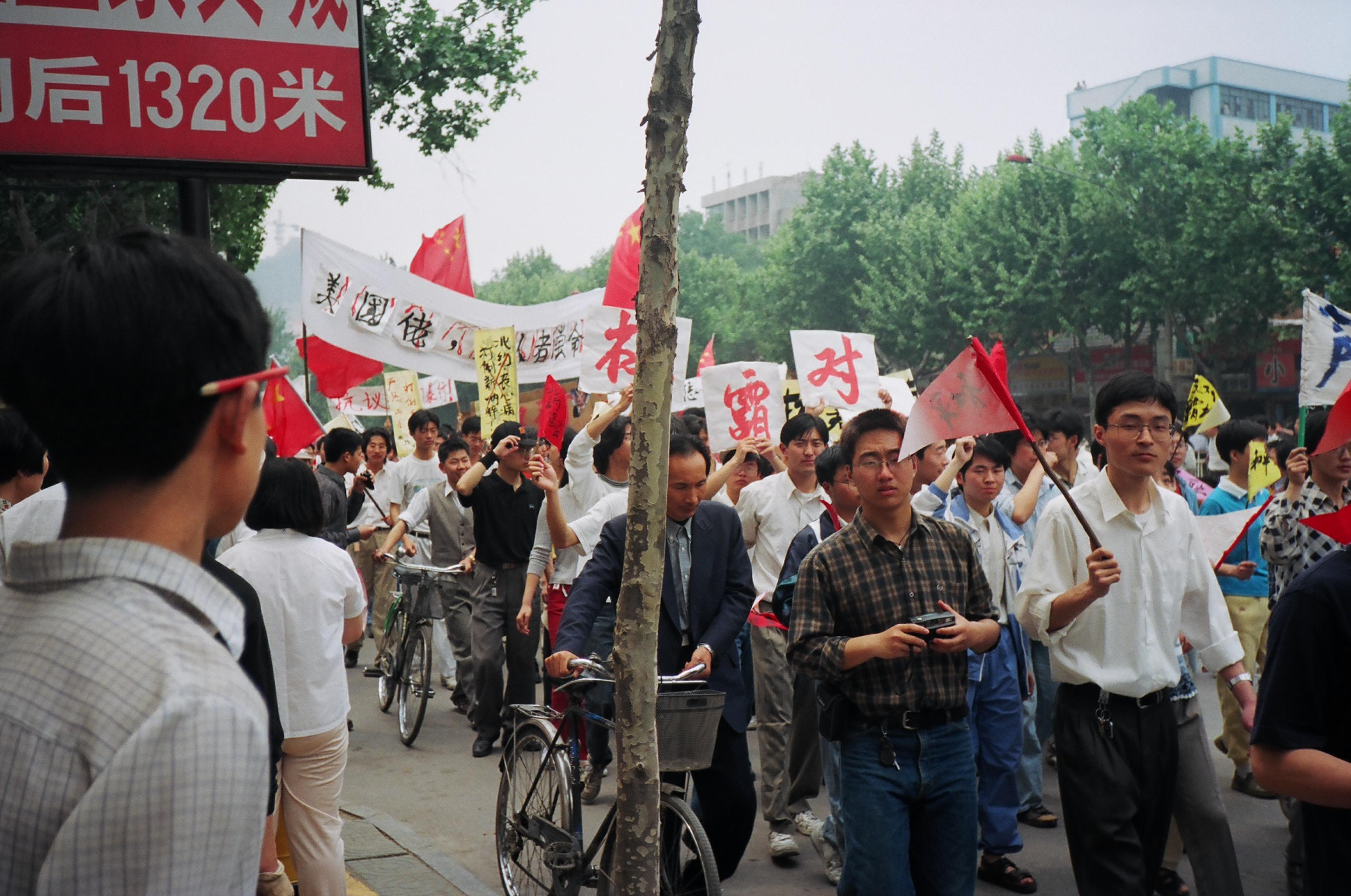
Torching of U.S. embassy in Belgrade
International Relations
U.S. Foreign Policy
Balkans Affairs
4 min read
Updated By: History Editorial Network (HEN)
Published:
Updated:
The torching of the U.S. embassy in Belgrade was a direct consequence of the U.S. government's support for Kosovo's unilateral declaration of independence. This declaration, which was primarily backed by the Bush administration, was seen as a significant shift in the geopolitical landscape of the Balkans. The support for Kosovo's independence was welcomed by many in the Albanian community, as it represented a long-sought goal for self-determination. However, this move was met with strong opposition from Serbia, which viewed Kosovo as an integral part of its territory. The tensions between the U.S. and Serbia escalated as a result of this support, leading to widespread protests in Serbia against the U.S. presence and policies in the region.
The embassy attack occurred amidst a backdrop of heightened nationalist sentiment in Serbia, where many citizens felt that their sovereignty was being undermined. Protesters gathered outside the U.S. embassy, expressing their anger and frustration over the perceived interference in Serbian affairs. The situation culminated in the embassy being set ablaze, resulting in significant damage to the building and the loss of sensitive materials. This incident not only strained U.S.-Serbian relations but also raised concerns about the safety of diplomatic missions in volatile regions. The torching of the embassy served as a stark reminder of the complexities involved in international diplomacy, particularly in areas with deep-rooted ethnic and nationalistic tensions.
#mooflife
#MomentOfLife
#UsEmbassyBelgrade
#KosovoIndependence
#UsSerbiaRelations
#BalkansConflict
#DiplomaticIncidents
Primary Reference
Serb protesters set US embassy ablaze in Belgrade

Explore the Life Moments of
 AI Twin