Bush vetoed Stem Cell Research Act
Politics
Legislation
Health Care
4 min read
Updated By: History Editorial Network (HEN)
Published:
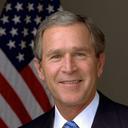
The veto of the Stem Cell Research Enhancement Act by President Bush marked a pivotal moment in the ongoing debate over stem cell research in the United States. The act aimed to repeal the Dickey-Wicker Amendment, which prohibited federal funding for research involving the destruction of human embryos. This legislation was significant as it sought to expand federal support for embryonic stem cell research, which many scientists believed held the potential for breakthroughs in treating various diseases and conditions. The veto, executed on July 19, 2006, was the first use of Bush's veto power during his presidency, highlighting the contentious nature of the issue. Bush's administration had previously lifted a ban on federal funding for existing stem cell lines, but his opposition to embryonic stem cell research remained firm, reflecting his administration's ethical stance on the matter.
The impact of this veto extended beyond the immediate legislative outcome, influencing public discourse and research funding dynamics. Proponents of embryonic stem cell research argued that the potential medical benefits justified the ethical concerns surrounding embryo destruction. In contrast, opponents maintained that the destruction of embryos was morally unacceptable. The veto also galvanized advocacy groups on both sides, leading to increased public awareness and engagement in the stem cell debate. As a result, many states began to pursue their own funding initiatives for stem cell research, creating a patchwork of regulations and support across the country. This situation underscored the complexities of federal versus state roles in scientific research funding and the ethical considerations that continue to shape the landscape of biomedical research.
#mooflife
#MomentOfLife
#StemCellResearch
#BushVeto
#EmbryonicStemCells
#Dickey-wickerAmendment
#MedicalResearchFunding
Explore the Life Moments of
 AI Twin