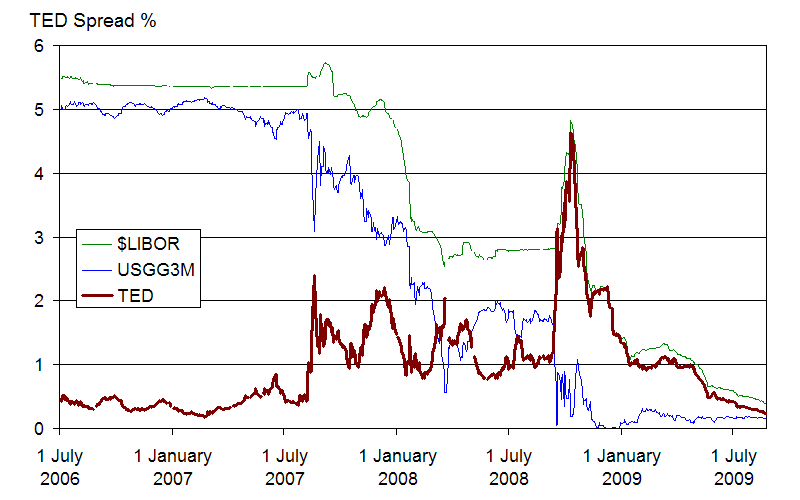
Impact of the 2008 Financial Crisis
Finance
Economics
3 min read
Updated By: History Editorial Network (HEN)
Published:
Updated:
The 2008 financial crisis marked a pivotal moment in global economic history, primarily triggered by a combination of factors including a housing market correction and a subprime mortgage crisis. The crisis began with a significant downturn in the housing market, where rising home prices led to unsustainable mortgage lending practices. As interest rates increased, many homeowners defaulted on their loans, leading to a surge in foreclosures. This situation was exacerbated by soaring oil prices and other economic pressures, which contributed to a recession that became the longest post-World War II downturn in the United States. The impact was immediate and severe; in early 2008, the U.S. economy lost 63,000 jobs, marking the highest monthly job loss in five years. By November of the same year, over 500,000 jobs were lost, the largest monthly decline in 34 years, culminating in a total loss of 2.6 million jobs by the end of 2008. The Bureau of Labor Statistics reported that 1.9 million jobs were lost in the last four months alone, highlighting the crisis's devastating effect on employment.
#mooflife
#MomentOfLife
#2008FinancialCrisis
#EconomicRecession
#SubprimeMortgageCrisis
#JobLossStatistics
#GlobalEconomicImpact
Primary Reference
2008 financial crisis

Explore the Life Moments of
 AI Twin