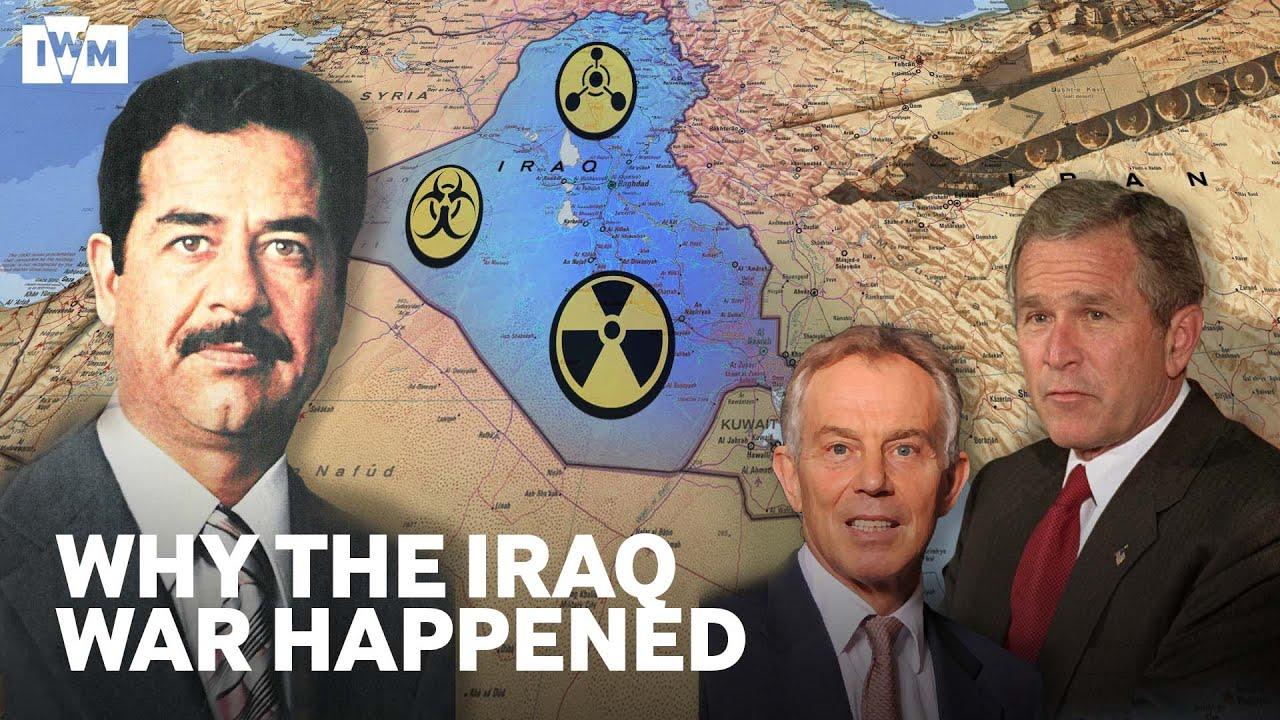
Bush Administration's Justification for Iraq War
Politics
War
4 min read
Updated By: History Editorial Network (HEN)
Published:
Updated:
The Bush Administration's justification for the Iraq War primarily centered around the assertion that Iraq possessed weapons of mass destruction (WMDs) that posed a threat to the United States and its allies. This claim was supported by intelligence reports that suggested Iraq was actively developing chemical, biological, and potentially nuclear weapons. The administration argued that the potential for these weapons to be used against the U.S. or its interests justified military intervention. The narrative was further bolstered by the belief that Iraq had links to terrorist organizations, including Al-Qaeda, which heightened the urgency for action in the wake of the September 11 attacks. The administration emphasized the need to prevent a future attack and to promote democracy in the Middle East as part of a broader strategy to combat terrorism.
However, the subsequent failure to locate any WMDs in Iraq led to widespread criticism of the Bush Administration. Investigations revealed that the intelligence used to justify the war was flawed and, in some cases, exaggerated. This failure significantly impacted public perception and trust in government institutions, leading to protests and a decline in support for the war. The conflict resulted in substantial human and economic costs, with thousands of military personnel and civilians losing their lives and millions displaced. The long-term consequences of the war included destabilization in the region, the rise of extremist groups, and ongoing debates about the legitimacy of the intervention and its implications for U.S. foreign policy.
#mooflife
#MomentOfLife
#IraqWar
#BushAdministration
#WeaponsOfMassDestruction
#U.s.ForeignPolicy
#MilitaryIntervention
Primary Reference
Rationale for the Iraq War

Explore the Life Moments of
 AI Twin