Establishment of a Strategic Bridgehead at Serrig by Patton Across the Saar River
Serrig (near the Saar River), Germany
Military History
World War II
Strategic Operations
4 min read
Updated By: History Editorial Network (HEN)
Published:
Updated:
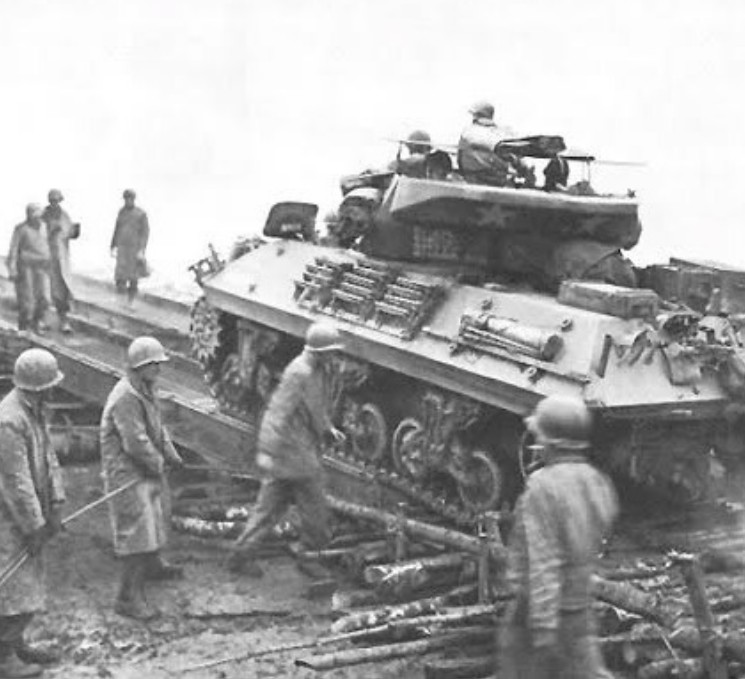
On 23/02/1945, forces of General George S. Patton’s U.S. Third Army continued expanding a strategic bridgehead across the Saar River in western Germany following an initial assault launched at 0630 hours on 22/02/1945. The crossing formed part of Allied operations to penetrate the Siegfried Line and advance toward the Rhine River during the final phase of the European campaign. Engineer units worked overnight to establish assault boats, ferries, and early bridging structures while infantry formations secured positions on the eastern bank.
The operation involved multiple Third Army corps advancing along different sectors of the Saar front. After the initial crossings on 22 February, American units pushed inland on 23 February to widen the bridgehead and secure nearby high ground, roads, and villages necessary for follow on armored movement. Combat engineers constructed pontoon bridges under intermittent artillery fire, allowing tanks, artillery, and supply vehicles to cross the river. The bridgehead expanded as German defensive positions along the Saar were pressured by coordinated infantry and armor attacks.
The Saar River crossings occurred during a broader Allied offensive in late February 1945 aimed at breaking through remaining German defensive lines west of the Rhine. Third Army operations in this sector helped open routes into southwestern Germany and supported continued advances toward the Rhine crossings in March 1945. By consolidating the bridgehead established beginning at 0630 hours on 22 February, Patton’s forces created a staging area for deeper penetration into German territory.
#Patton
#ThirdArmy
#SaarRiver
#Trier
#GermanRetreat
#InfantryDivision
#MilitaryStrategy
#GasolineSupply
#PontoonBridge
#HistoricalAnalysis
Primary Reference
George S. Patton

Explore the Life Moments of
 AI Twin