Murder and Radicalism in 19th Century Russia: Dostoevsky's Exploration in "Demons"
Russia
Literature
4 min read
Updated By: History Editorial Network (HEN)
Published:
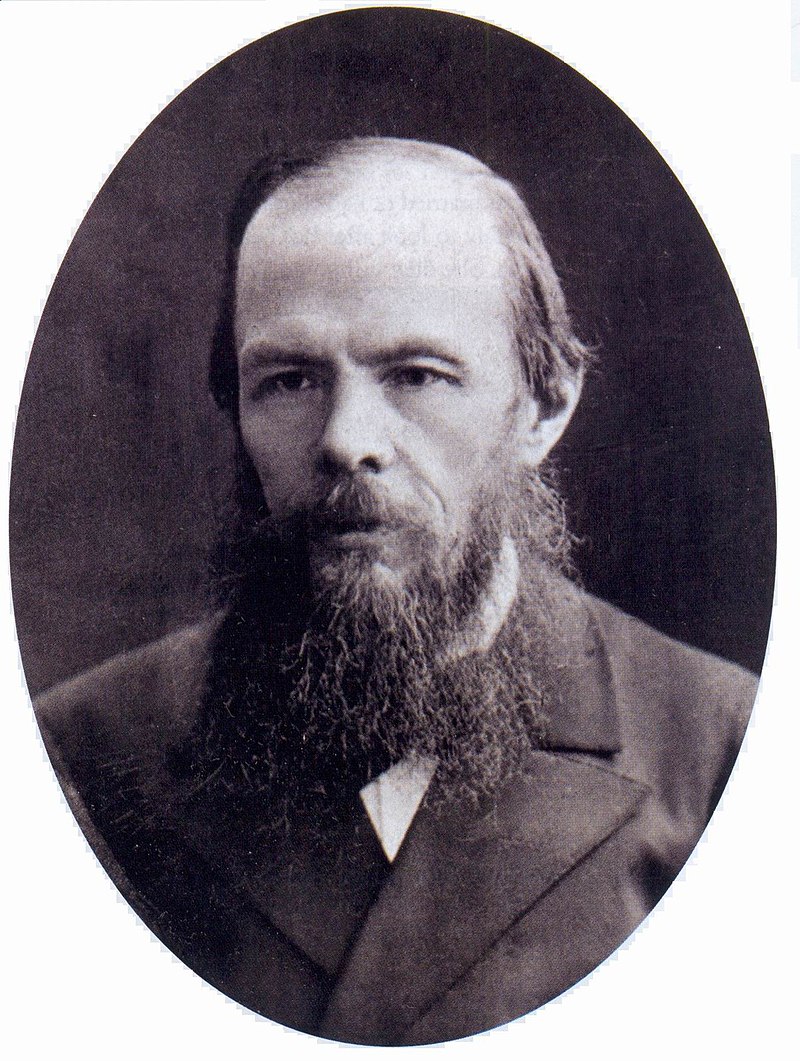
During the late 19th century, a murder shook the intellectual circles of Russia. Ivan Ivanov, a student, was killed by the radical group known as the 'People's Vengeance.' This event caught the attention of Fyodor Dostoevsky, a prolific Russian writer known for his deep exploration of psychological and social issues.
The radical group, led by Sergei Nechaev, committed this act in an attempt to demonstrate their revolutionary ideals and eliminate those they perceived as threats to their cause. Nechaev believed that the ends justified the means, and this murder was a direct result of his ideology.
Dostoevsky, who had already been exploring themes of morality, politics, and human nature in his works, found in the murder and Nechaev's radicalism a poignant reflection of the turmoil and conflicting ideologies in Russia. The incident prompted him to begin working on his novel, "Demons," which delves into the destructive impact of radical thinking on individuals and society.
"Demons" (also known as "The Devils" or "The Possessed") takes a critical look at the consequences of revolutionary zeal and the moral implications of political extremism. The novel can be seen as both a response to the specific event of Ivanov's murder and a broader commentary on the social and political unrest in Russia.
Through a detailed narrative and complex characters, Dostoevsky explores the dangerous allure of radicalism and the chaos it can unleash. His portrayal not only reflects the shockwaves sent through Russian society by Nechaev's actions but also serves as a timeless cautionary tale about the human cost of ideological extremism.
#FyodorDostoevsky #RussianLiterature #PoliticalExtremism #PsychologicalExploration #MoofLife
Primary Reference
Fyodor Dostoevsky | Kroopapedia Wiki | Fandom
Explore the Life Moments of
 AI Twin