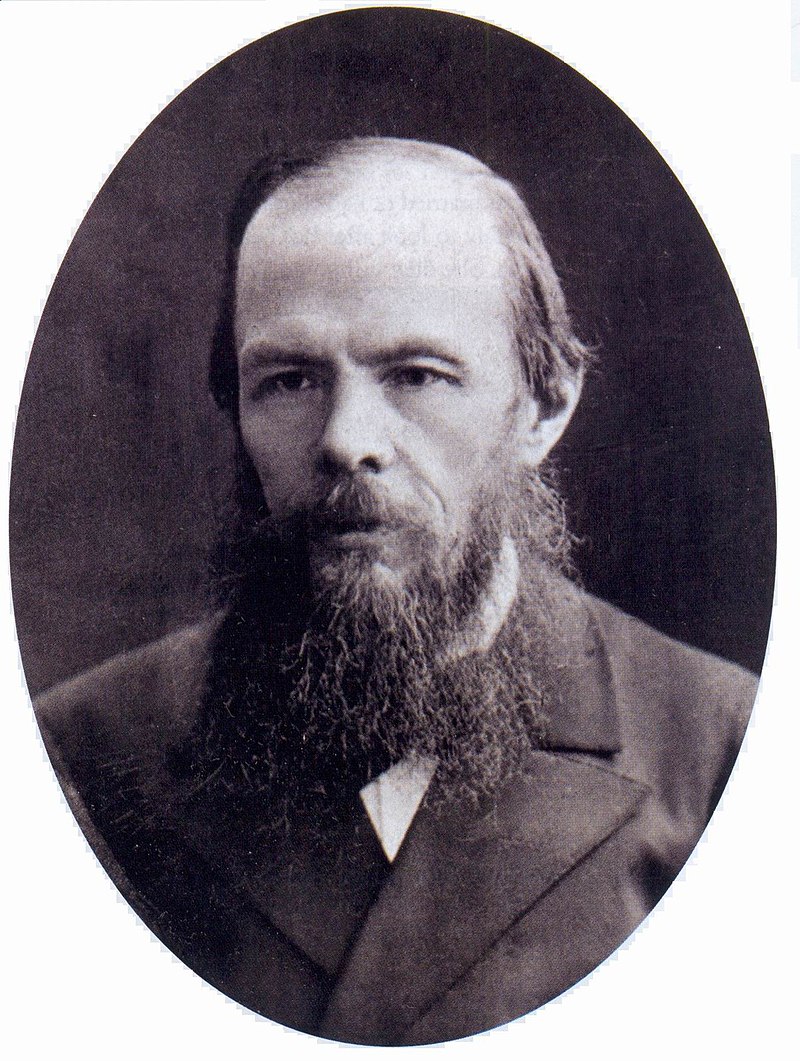
Fyodor Dostoevsky's Moscow upbringing shaped his influential novels exploring existentialism and human suffering.
Russia
Literature
Russian
4 min read
Updated By: History Editorial Network (HEN)
Published:
Fyodor Dostoevsky was born in Moscow, a city known for its rich cultural and historical significance in Russia. He was the second child of Mikhail and Maria Dostoevsky. His father was a surgeon in a hospital for the poor and held a strict and authoritarian disposition. His mother, known for her gentler presence, was from a merchant family. These contrasting parental influences would later shape Dostoevsky's complex and nuanced characters.
Moscow, during this period, was evolving with a blend of old traditions and emerging modern influences. This environment played a role in Dostoevsky's early exposure to the stark contrasts of Russian society: wealth and poverty, freedom and oppression. His early years were marked by education at home until he and his brother were sent to a private boarding school.
Dostoevsky's birth and upbringing in Moscow are crucial to understanding his literary works. The socio-economic conditions of the city and his family's dynamics profoundly affected his worldview. His novels frequently explore themes of existentialism, human suffering, poverty, and morality. Characters in his books often struggle with internal and external conflicts, reflecting the turbulent atmosphere of the time.
Throughout his literary career, Fyodor Dostoevsky became one of Russia's most influential writers. His works, including "Crime and Punishment," "The Brothers Karamazov," and "Notes from Underground," have left a lasting impact on literature and philosophy. Many consider him a pioneer in psychological analysis within novels.
Hashtags:
#MoofLife #FyodorDostoevsky #LiteraryGiant #RussianLiterature #MoscowBirth #LiteraryLegacy
Primary Reference
Fyodor Dostoevsky - Wikipedia
Explore the Life Moments of
 AI Twin