Fyodor Dostoevsky's "White Nights" explores loneliness, fleeting happiness, and unfulfilled dreams in Russian literature.
Russia
Literature
Social Themes
3 min read
Updated By: History Editorial Network (HEN)
Published:
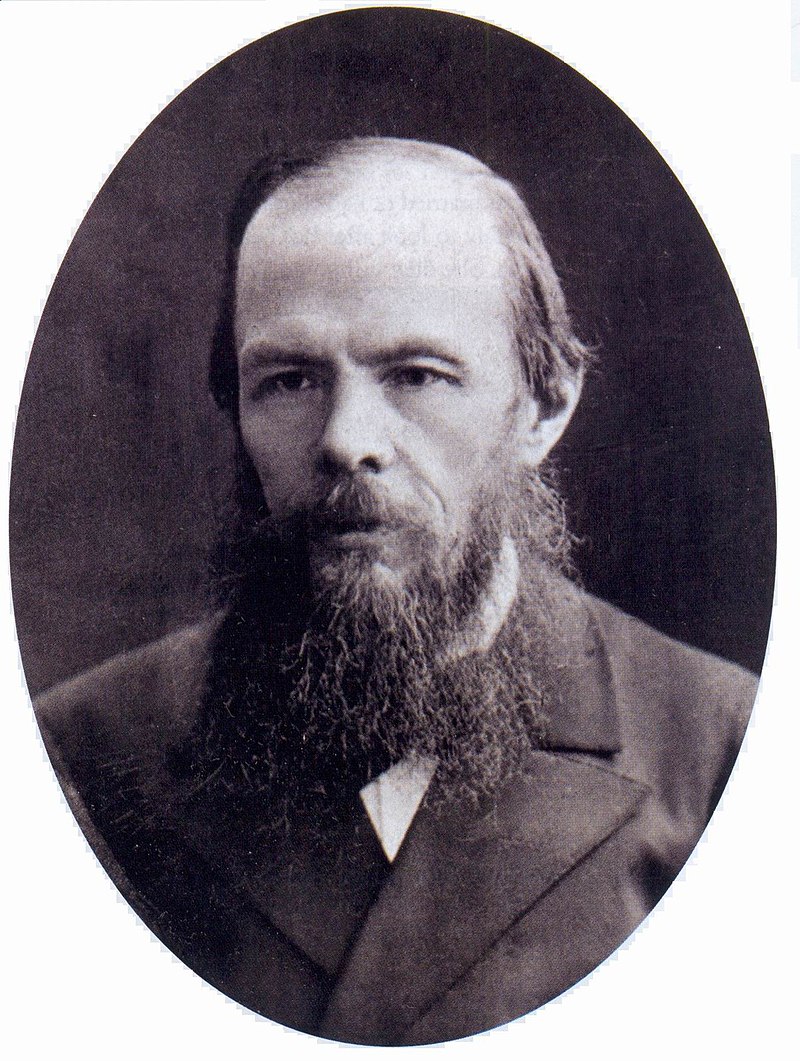
Fyodor Dostoevsky's short story "White Nights" was published in the Russian literary magazine "Notes of the Fatherland." At this point in Dostoevsky's career, he was still in the early stages of his literary journey, having gained some recognition with the earlier success of "Poor Folk." "White Nights" revolves around a lonely dreamer who forms a fleeting yet emotionally intense bond with a young woman named Nastenka.
The story's publication came at a time when Russian literature was evolving, with writers exploring more complex psychological and social themes. "White Nights" contributed to this trend, delving into themes of isolation, fleeting happiness, and unfulfilled dreams. This was a period in Dostoevsky's life marked by his involvement with the Petrashevsky Circle, a group that discussed utopian socialism, which led to his arrest and subsequent imprisonment.
"White Nights" received attention for its introspection and poetic prose, reflecting the existential themes that would later define Dostoevsky's major works. The impact of the story can be seen in its persistent analyses and reinterpretations within the academic community. It is now considered an important piece in the canon of Russian literature, offering insights into Dostoevsky's early thematic preoccupations and narrative style.
#FyodorDostoevsky #WhiteNights #RussianLiterature #MoofLife #LiteraryHistory #NotesOfTheFatherland
Explore the Life Moments of
 AI Twin