Dostoevsky's Turning Point: Exile, Redemption, and Literary Legacy in Tsarist Russia
Russia
Literature
3 min read
Updated By: History Editorial Network (HEN)
Published:
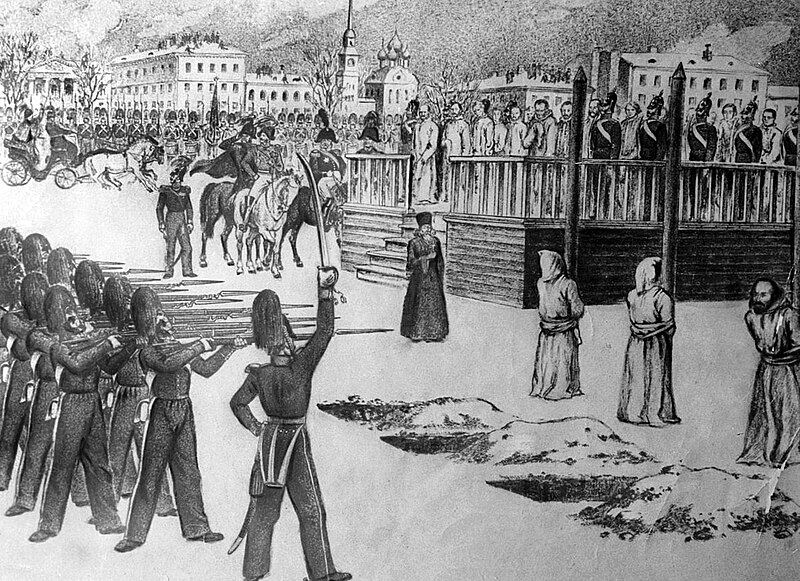
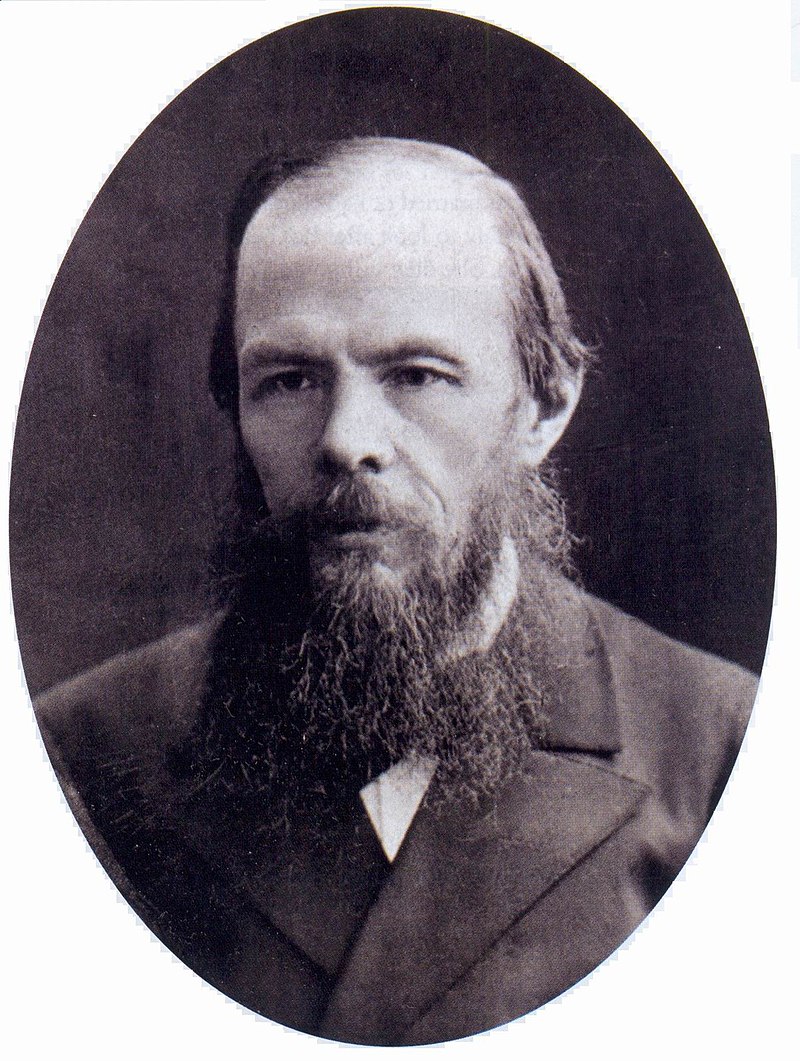
Fyodor Dostoevsky, a prominent Russian writer, faced a stark turning point in his life due to his involvement in the Petrashevsky Circle—a group that discussed and advocated for social reforms in Tsarist Russia. Accused of anti-government activities, Dostoevsky and his fellow conspirators were arrested and sentenced to death by firing squad.
At the execution site, Dostoevsky stood among other prisoners, believing they were moments away from their end. However, the process was dramatically halted. A messenger arrived, delivering a reprieve from Tsar Nicholas I. Their death sentences were commuted to hard labor. This calculated approach by the Tsar was intended to reinforce state power while demonstrating his mercy.
Dostoevsky was sent to a Siberian labor camp for four years before serving in the military. The experience profoundly influenced him, shaping his worldview and writing profoundly. It marked a pivot in his life and future works, leading to iconic novels that explored human psychology, morality, and redemption.
His experiences in the labor camp and subsequent years are evident in his writings, merging personal hardship with literary creativity. This period forged a personal narrative that resonated with many, portraying the suppressive societal structures of Russia. The impact of his brush with death and exile endured, becoming a pivotal chapter in Russian literary history.
#Dostoevsky #RussianLiterature #LifeChangingMoments #Exile #MoofLife
Primary Reference
Fyodor Dostoevsky is sentenced to death | November 16, 1849 ...
Explore the Life Moments of
 AI Twin