Fyodor Dostoevsky's Financial Despair Reflects Russia's Widespread Poverty and Instability
Russia
Political
Economic Downturn
4 min read
Updated By: History Editorial Network (HEN)
Published:
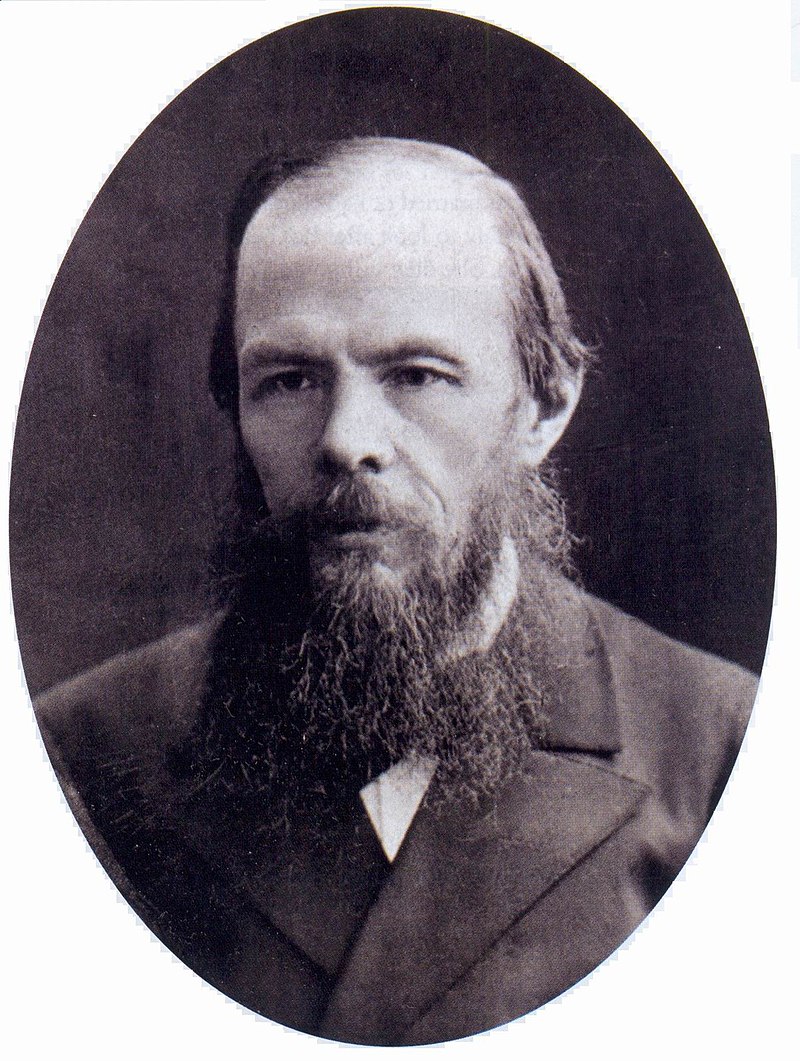
Fyodor Dostoevsky, a Russian novelist known for his deep psychological insight into characters, expressed a moment of financial despair when he wrote about his family's impoverished condition. This period marked a severe economic struggle, reflecting broader social issues in Russia marked by widespread poverty and instability. Dostoevsky's personal hardships were compounded by a gambling addiction and debts, which strained his financial situation further.
With the socio-political landscape in Russia being tumultuous, many families faced economic hardships. Dostoevsky's candid revelation about two generations of poverty sheds light on the chronic nature of financial struggle, highlighting the lack of social mobility. At that time, Russia was under the rule of Tsar Alexander II, whose policies, including the Emancipation Reform, aimed to modernize the country but also led to economic disparities.
Dostoevsky's works often reflected his personal experiences and broader societal issues. His comments on poverty can be seen as a precursor to the themes he explored in his literature, such as the moral dilemmas faced by individuals in desperate circumstances. This moment of financial distress would have significantly influenced his writing, contributing to the authenticity and depth of his characters and narratives.
Statistics from this era indicate that a large portion of the Russian population lived in poverty, with limited access to education and opportunities for economic advancement. Dostoevsky's experiences were emblematic of the struggles many faced during this period, offering a window into the socio-economic conditions that shaped his life and work.
#FinancialStruggle #Dostoevsky #RussianLiterature #Poverty #HistoricalContext #MoofLife
Explore the Life Moments of
 AI Twin