Exploration of human nature by Dostoevsky in unfinished novel influences later masterpieces.
Russia
Literature
3 min read
Updated By: History Editorial Network (HEN)
Published:
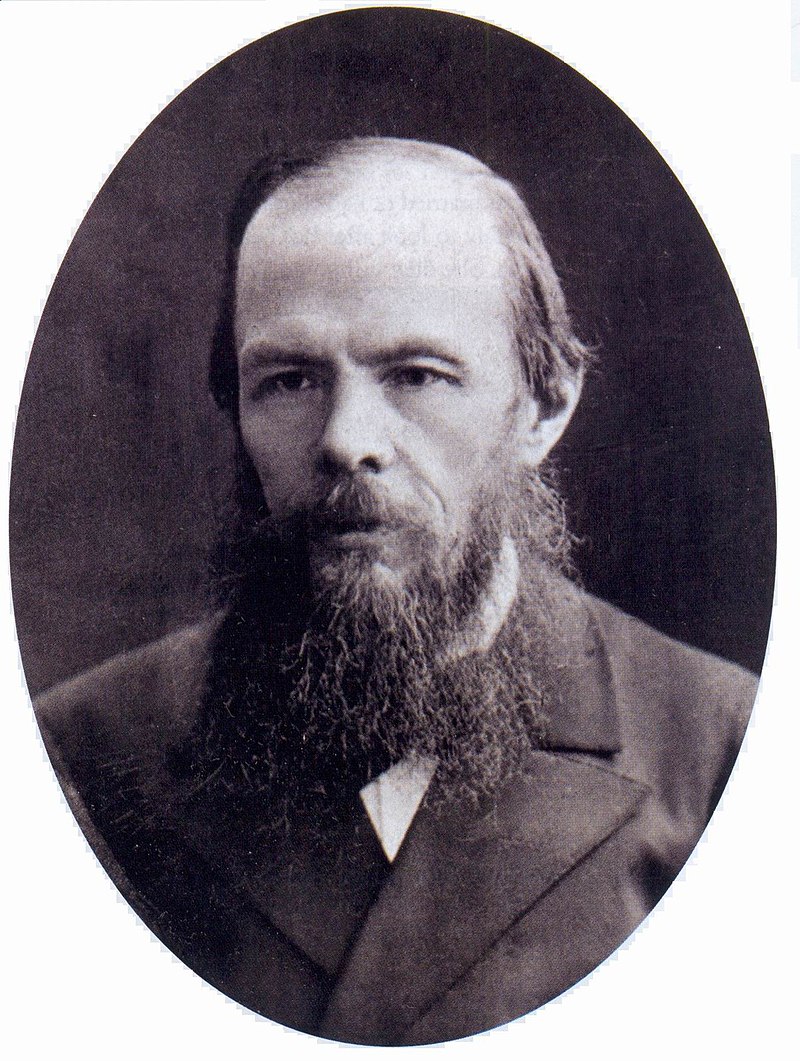
During the period of Fyodor Dostoevsky's life when he began writing 'The Life of a Great Sinner,' he sought to explore profound themes of human nature, morality, and the quest for redemption. Although this work remained incomplete, fragments and ideas from it found their way into his later writings.
Dostoevsky faced significant personal and financial pressures during this time. He had recently returned to Russia after spending several years in Europe, where he had struggled with gambling debts and personal hardships. These challenges influenced his writing, lending a raw and introspective quality to his work. Dostoevsky's engagement with existential questions and the human psyche is evident in the themes he intended to address in 'The Life of a Great Sinner.'
Elements from this unfinished novel were later integrated into Dostoevsky's subsequent novels, such as 'Demons' and 'The Brothers Karamazov.' His exploration of sin, guilt, and redemption continued to evolve, profoundly impacting Russian literature and contributing to his reputation as one of the greatest literary figures of his time. Today, scholars and readers recognize the unfinished work as a significant step in Dostoevsky's literary development, one that paved the way for his later masterpieces.
#MoofLife #Dostoevsky #LiteraryHistory #RussianLiterature #UnfinishedWorks
Primary Reference
Fyodor Dostoevsky - Wikipedia
Explore the Life Moments of
 AI Twin