Dostoevsky's Siberian imprisonment influences his writing, leading to literary masterpieces upon release.
Russia
5 min read
Updated By: History Editorial Network (HEN)
Published:
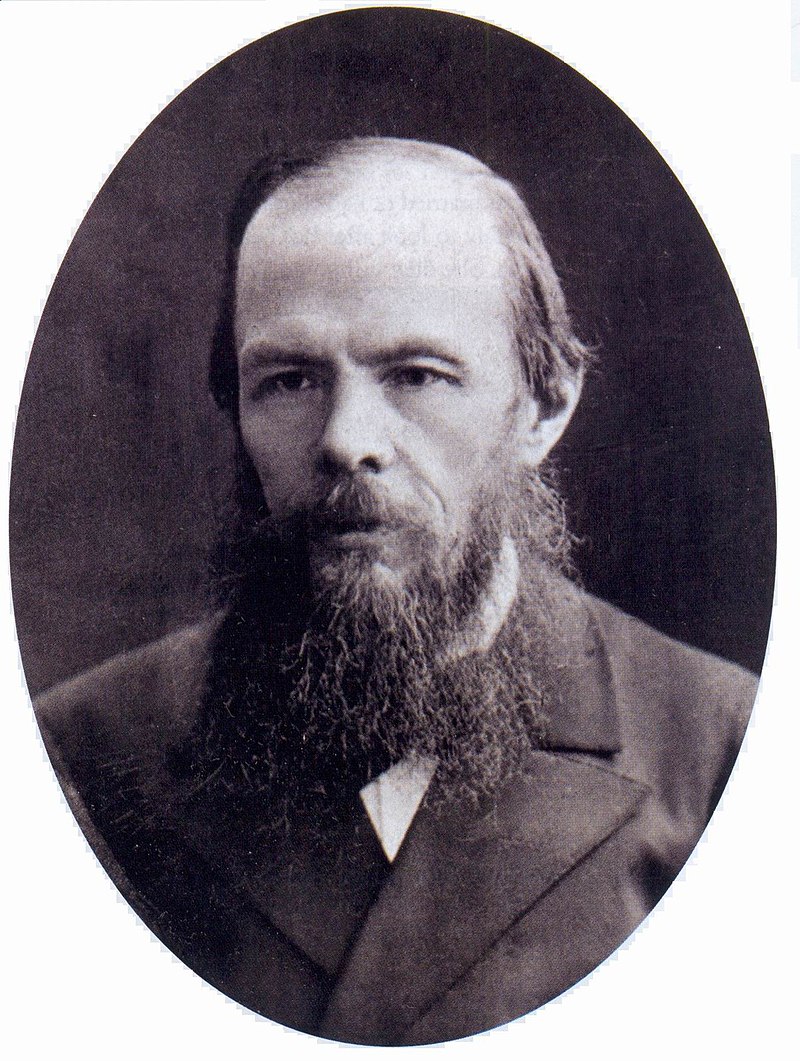
Fyodor Dostoevsky, a renowned Russian writer and philosopher, faced a turning point in his life when he was released from prison after enduring four years of hard labor in Siberia. Originally arrested for his association with a group of intellectuals who discussed Western philosophies considered subversive by the Tsarist regime, Dostoevsky's sentence profoundly impacted his outlook and literary career.
During his imprisonment, Dostoevsky was exposed to the harsh realities of the Russian penal system, which later influenced his writing. The labor included grueling physical tasks under severe conditions, which tested his endurance and willpower. Additionally, the intimate experience with fellow prisoners, many of whom were hardened criminals, reshaped his understanding of human nature and suffering. These experiences fostered a deep empathy within Dostoevsky, which became evident in his subsequent work.
The impact of his release was significant on both his personal life and creative output. Upon returning to society, Dostoevsky faced restrictions including limited freedom of movement and censorship, yet he resumed his literary pursuits with renewed vigor. The period that followed saw the creation of some of his most seminal works, reflecting the philosophical and existential inquiries that his time in Siberia had intensified.
Dostoevsky’s release marked the beginning of a new chapter. His later novels, such as "Crime and Punishment," "The Idiot," and "The Brothers Karamazov," delve deeply into themes of morality, redemption, and the human condition—issues he contemplated during his imprisonment. These works have left an indelible mark on literature, influencing countless writers and thinkers.
Thus, the release from Siberia stands as a pivotal point, not only in Dostoevsky's life but also in the broader context of literary history. It highlights the resilience of the human spirit and the profound ways in which personal suffering can fuel artistic and philosophical contributions.
#Dostoevsky #RussianLiterature #PrisonLife #Philosophy #HumanCondition #LiteraryHistory #MoofLife
Primary Reference
The Mock-execution of Fyodor Dostoevsky - UBC Wiki
Explore the Life Moments of
 AI Twin