Dostoevsky's Support for Pan-Slavic Movement Amid Balkan Uprisings
Russia
Political
Global Trade
5 min read
Updated By: History Editorial Network (HEN)
Published:
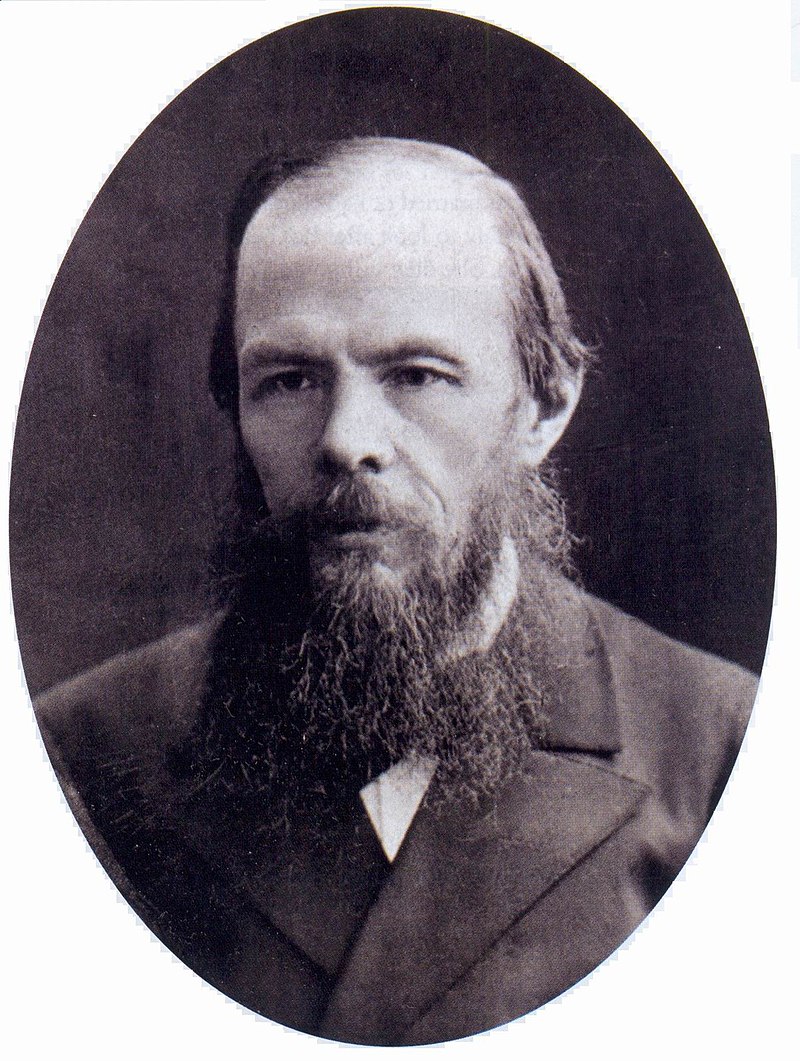
Fyodor Dostoevsky, a renowned Russian novelist, publicly expressed his support for the Pan-Slavic movement amid the Ottoman Empire's suppression of Slavic uprisings in the Balkans. The Pan-Slavic movement sought the political and cultural unification of all Slavic people, aiming to liberate them from Ottoman rule and strengthen their communal bonds.
Dostoevsky's backing of this cause occurred during a period marked by heightened tensions and bloodshed in the region. The Ottoman Empire, which had controlled much of the Balkans for centuries, faced resistance from various Slavic populations, including Serbs and Bulgarians, who aspired to self-rule and cultural freedom. Reports of massacres and repressive actions by Ottoman forces stirred public outcry across Europe, including within Russia.
Dostoevsky's advocacy for Pan-Slavism was not solely based on nationalistic fervor. It stemmed from his broader philosophical and religious beliefs. He viewed the Pan-Slavic movement as a means to foster unity and spiritual renewal among Slavic people. The writer's stance resonated with many in Russia who saw themselves as protectors of their Slavic brethren. His writings and public statements helped galvanize Russian public support for intervention on behalf of the oppressed Slavic populations.
The impact of Dostoevsky's support can be observed in the increased attention and sympathy the plight of Balkan Slavs received within Russian society and beyond. Russian volunteer fighters and humanitarian efforts were mobilized to assist the struggling Slavs. In addition, Dostoevsky's influence contributed indirectly to the Russian government's eventual decision to engage in what would later be known as the Russo-Turkish War.
Dostoevsky's engagement with the Pan-Slavic movement highlights the intersection of literature, ideology, and geopolitics in 19th-century Europe. His involvement underscored the significant role intellectuals could play in shaping public opinion and national policy during times of crisis.
#Dostoevsky #PanSlavicMovement #OttomanEmpire #BalkanUprisings #SlavicUnity #MoofLife
Primary Reference
Russo-Turkish War (1877–1878) - Wikipedia
Explore the Life Moments of
 AI Twin