Dostoevsky's Proposal to Translate "Psyche" by Carus: Intellectual Pursuits Despite Political Repression
Russia
Literature
Psychology
4 min read
Updated By: History Editorial Network (HEN)
Published:
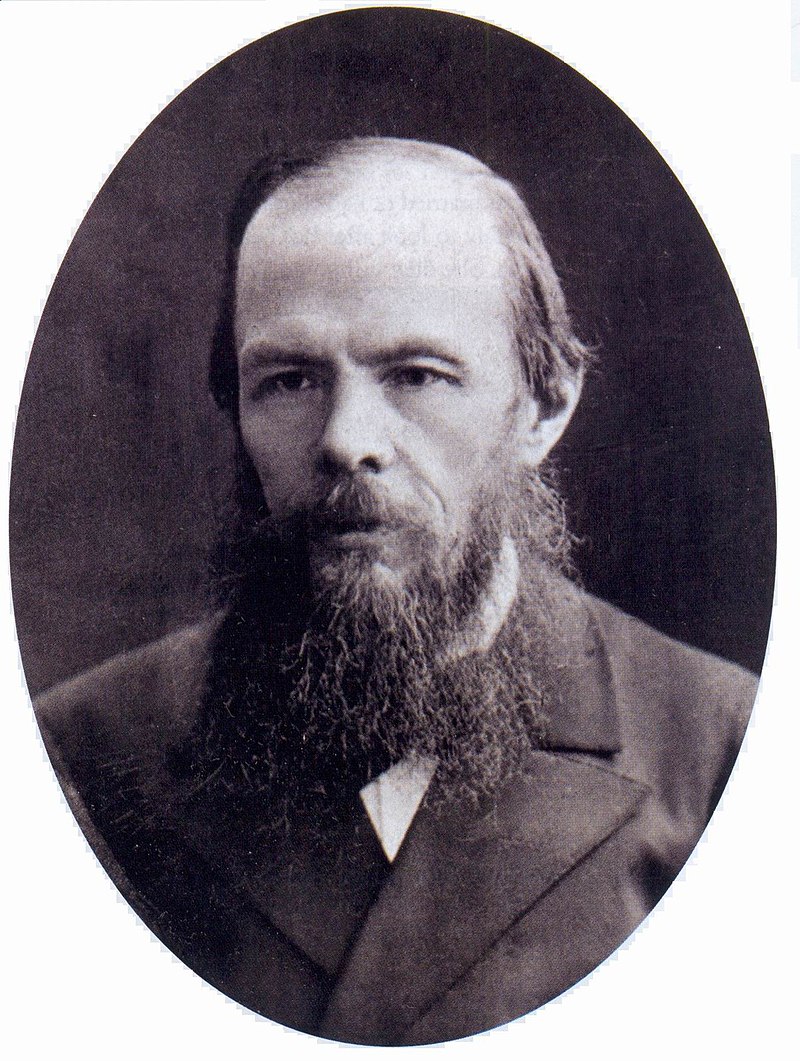
Fyodor Dostoevsky, a notable Russian novelist, proposed translating "Psyche" by Carl Gustav Carus with his friend, Baron Alexander Egorovich Wrangel. This occurred during a period when Dostoevsky had been exiled to Siberia and closely monitored due to his involvement in a group that discussed banned books.
Carus's "Psyche" focused on psychology and the unconscious mind, reflecting an area of study burgeoning in Europe. Dostoevsky, who had a profound interest in human psychology and morality, found the work compelling. The idea of collaboration with Wrangel, who was also interested in psychology, demonstrated an intersection of literary and psychological interests.
The proposal to translate "Psyche" indicated Dostoevsky's continuous engagement with intellectual pursuits, even while facing political repression. This project illustrated his resilience and ability to find academic stimulation despite his circumstances. Wrangel, an important figure in Dostoevsky's life during his exile, shared a deep camaraderie and intellectual partnership with him.
The translation, although it never came to fruition, signified Dostoevsky's desire to contribute to bridging cultural and intellectual gaps between Russia and Western Europe. It also marked an early instance of Dostoevsky grappling with psychological concepts that would later feature prominently in his literary works.
By proposing this translation, Dostoevsky underscored his foresight into the significance of psychological studies and their potential impact on literature and society. It also illustrated an attempt to widen his literary influence and solidify his role as a mediator of Western ideas into Russian thought.
#TranslationProject #Psyche #CarlGustavCarus #FyodorDostoevsky #Wrangel #Psychology #Literature #MoofLife
Explore the Life Moments of
 AI Twin