Dostoevsky's Legal Dispute: Intellectual Property Infringement and Literary Quotation in Russia.
Russia
Literary
Legal
4 min read
Updated By: History Editorial Network (HEN)
Published:
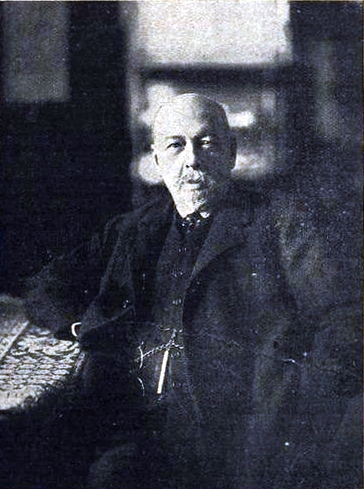
Fyodor Dostoevsky found himself entangled in a legal predicament when he cited Prince Meshchersky's words without obtaining explicit permission. Dostoevsky, a prominent Russian novelist known for works such as "Crime and Punishment" and "The Brothers Karamazov," had included the prince's words in one of his publications. This citation led to allegations of intellectual property infringement, a significant issue in literary and legal circles.
Prince Meshchersky was a figure of note in Russian society, and his words carried weight in public discourse. The unauthorized use of his words raised questions about the boundaries of literary reference and quotation, as well as the legal protections afforded to spoken or written materials. Dostoevsky's use of Meshchersky's words without permission was seen as a breach of propriety and respect.
The court case drew considerable public attention, highlighting the tensions between creative freedom and ownership of intellectual property. It underscored the growing importance of legal frameworks in the protection and regulation of literary and intellectual materials. While detailed statistics from the case are not readily available, the incident is often referenced in discussions about the evolution of literary copyrights and the enforcement of such laws in Russia during the period.
This event also reflects the broader socio-political climate of the time, wherein aristocrats like Prince Meshchersky wielded considerable influence and authors like Dostoevsky navigated complex legal and social landscapes.
#FyodorDostoevsky #IntellectualProperty #LiteraryRights #RussianHistory #MoofLife
Primary Reference
Fyodor Dostoevsky | Kroopapedia Wiki | Fandom
Explore the Life Moments of
 AI Twin